

The best electric boilers are an excellent heating and hot water solution for UK homeowners in off-grid properties, flats, listed buildings, properties without mains gas, or those simply looking for zero-emission alternatives to gas or oil systems.
As the UK accelerates its journey toward net-zero emissions, the shift from fossil fuel heating is no longer a distant goal. The government’s Heat and Buildings Strategy sets out plans to phase out the installation of new natural gas boilers from 2035, signalling a decisive change in how homes will be heated in the decades ahead.
Electric boilers sit in a space that often goes overlooked. Yet, for the right home, they offer simplicity, compact design, quiet operation, and the reassurance of no flue, no combustion, and no on-site emissions. Properties without a mains gas connection are an obvious fit.
Flats with limited external wall space, listed buildings where flue alterations are restricted, and well-insulated smaller homes can also benefit. When paired with solar PV, an electric boiler can become part of a wider electrified system that reduces reliance on imported fuels and volatile gas prices.
Choosing the best electric boiler for your home requires careful consideration of output, electrical capacity, insulation levels, and household usage patterns. Understanding the best models available in 2026, who they suit, how much they cost to install and run, and how they compare with gas and other low-carbon alternatives can help you make a confident, informed decision.
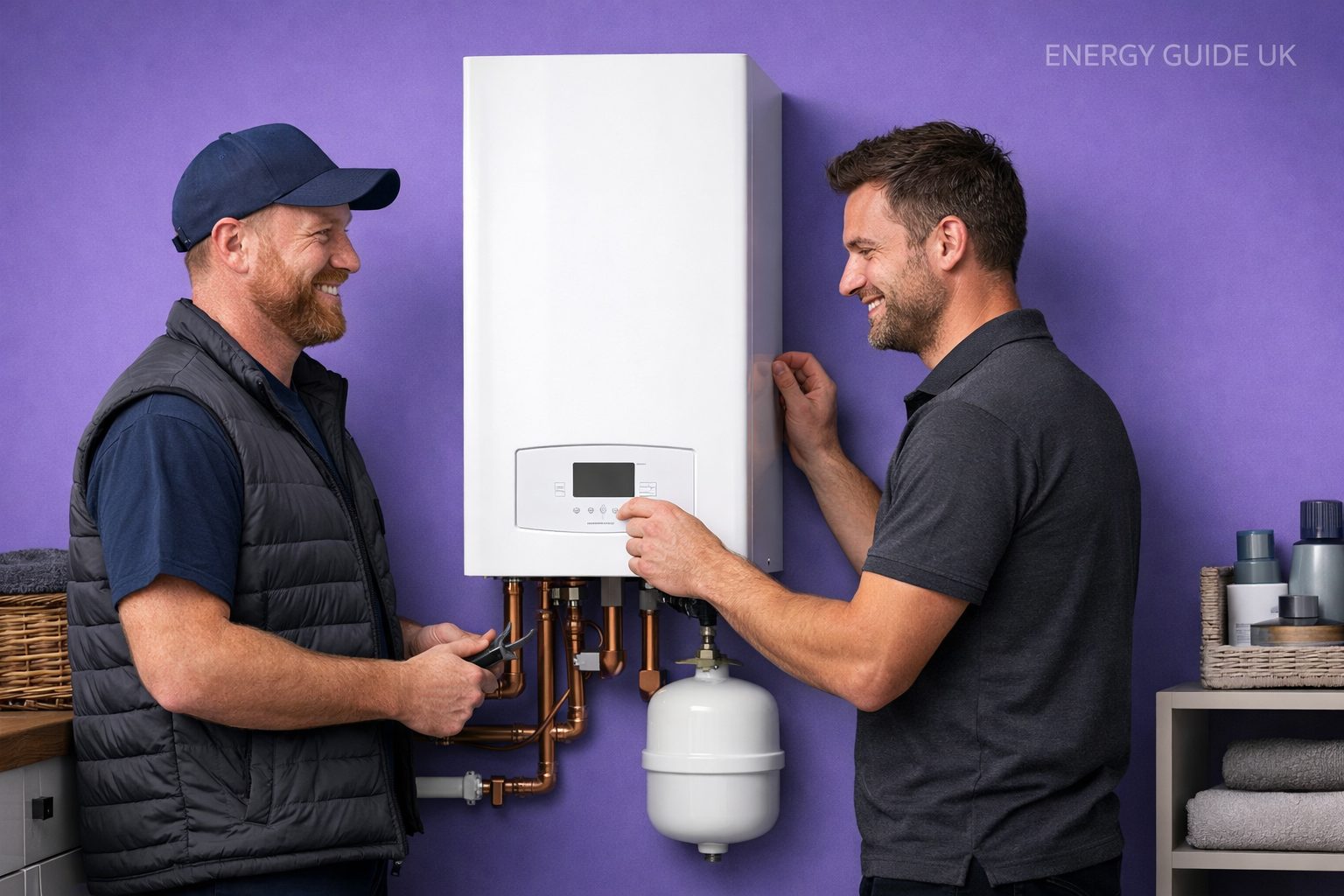
Best Electric Boilers at a Glance:
- Electric Heating Company (EHC) Comet – Best Overall
- Heatrae Sadia Electromax – Best for Integrated Hot Water
- Elnur Mattira MAC15 – Best Smart & Modulating
- Viessmann Vitotron 100 – Best System Boiler for Larger or Low-Temperature Homes
- Strom Combi – Best Budget-Friendly Combi
- EHC SlimJim Flow – Best for Older Properties or Traditional Setups
- Trianco Aztec – Best Value Compact Option
- Fischer Future Heat (Variants) – Best for Off-Peak Tariff Users
- Thermo Group Elektra – Best for Modern, Quiet Design
- Grant Vortex Eco (Electric) – Best for Renewable/Hybrid Focus
The 10 Best Electric Boilers in the UK 2026
1. Electric Heating Company (EHC) Comet – Best Overall
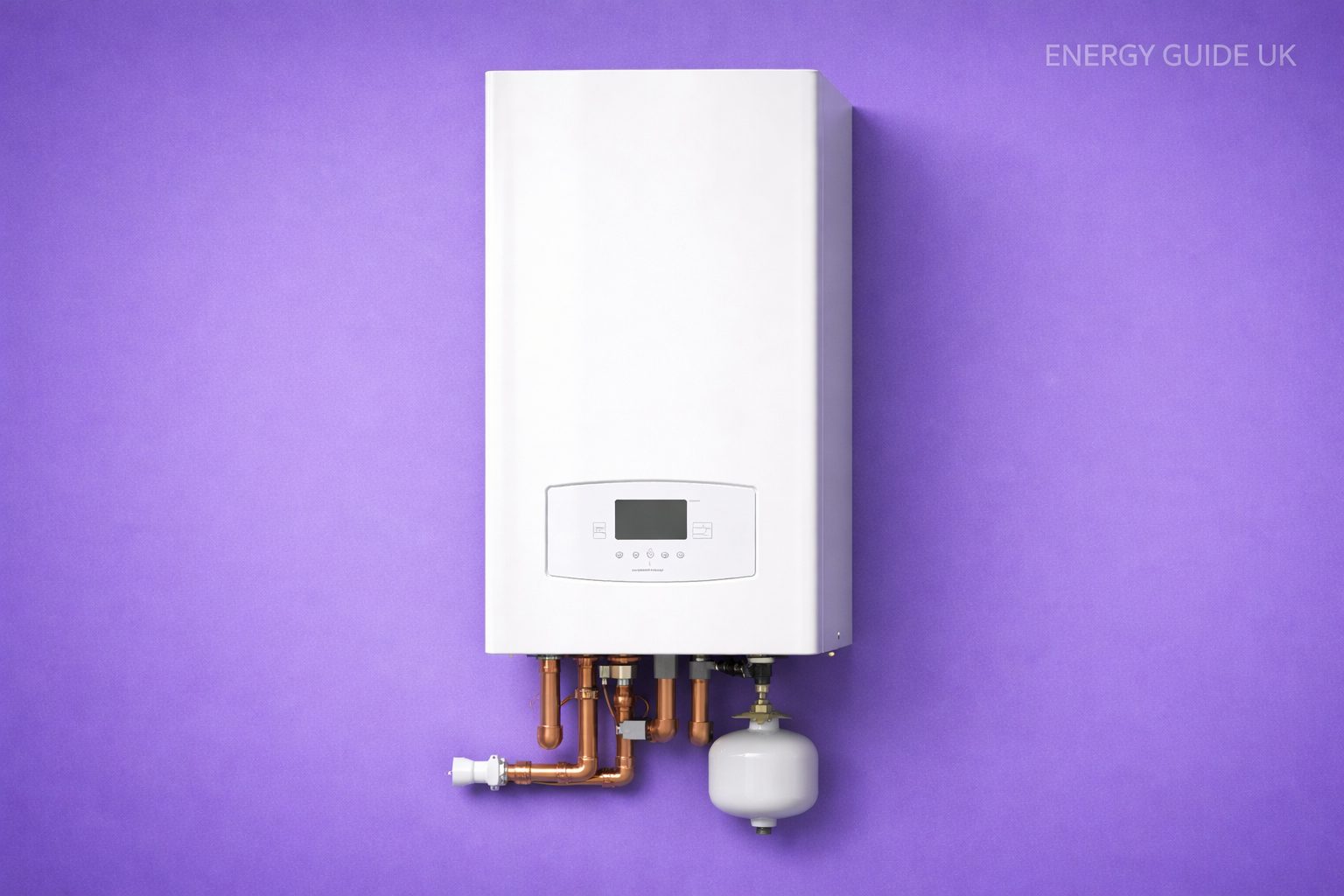
Outputs: 8 kW, 10 kW, 12 kW, 15 kW
Energy efficiency: 100 %
ErP Rating: D
Warranty: 2–5 years
Price: £700–£1,300 (excluding installation)
The EHC Comet stands out as the most well-rounded electric combi boiler for UK homes without gas. With a range of outputs suited to flats and modest houses, it delivers reliable heating alongside sufficient hot water without complicated setup. Its compact wall-mounted format fits easily into kitchens or utility cupboards, and its straightforward controls make daily operation intuitive.
Installation is quick since no flue or gas line is needed, and maintenance requirements are minimal. The Comet’s balance of performance, simplicity, and reliability makes it a favourite choice among electricians and homeowners alike.
Key Features
- Compact wall-mounted design
- Simple, reliable controls
- Low maintenance
- Strong domestic hot water delivery
Best for: Small to mid-sized homes and flats
Why it’s great: Reliable everyday performance with simple controls and easy installation
Considerations: Not ideal for properties with very high hot water demand
2. Heatrae Sadia Electromax – Best for Integrated Hot Water
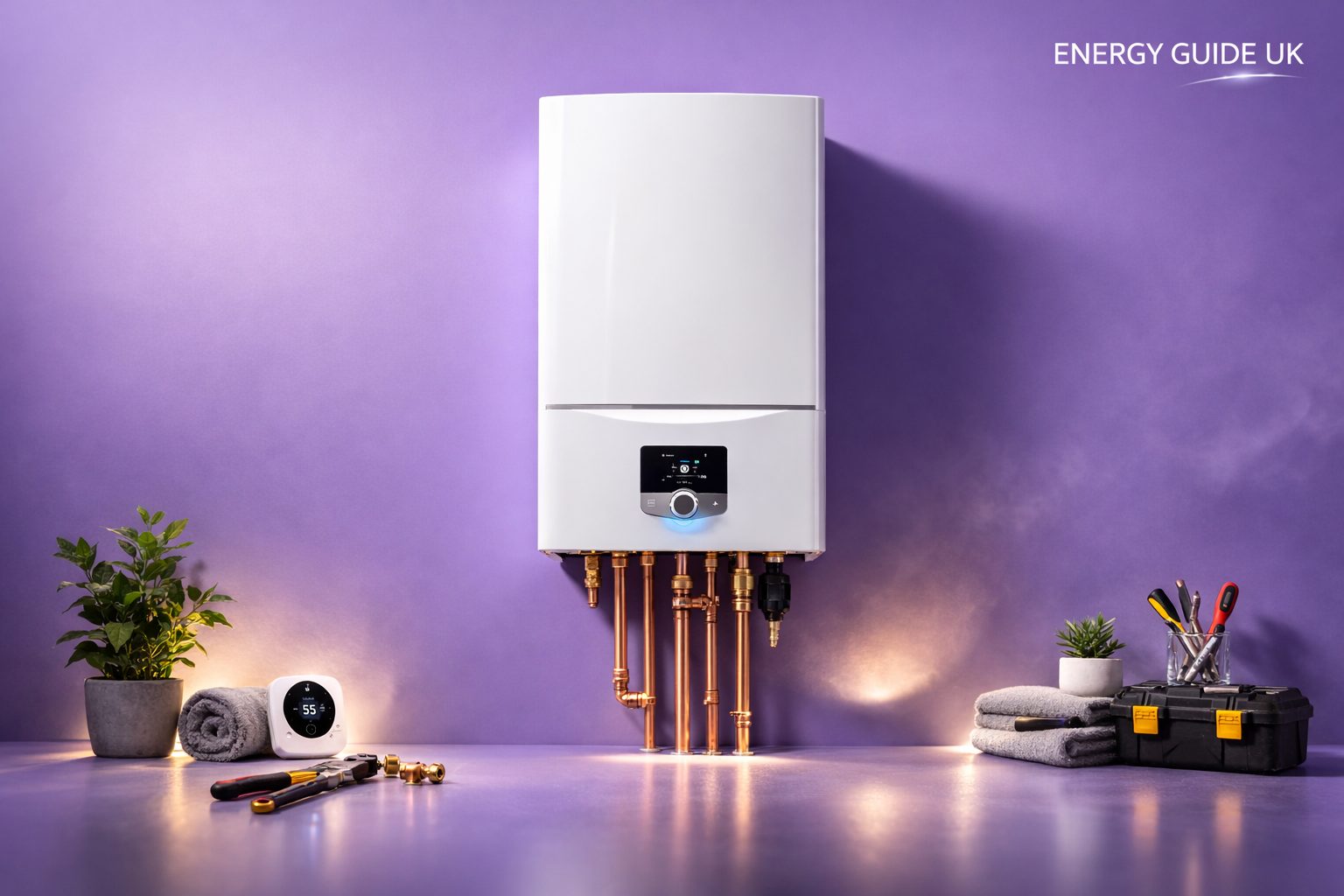
Outputs: 9 kW, 12 kW, 15 kW
Energy efficiency: 100 %
ErP Rating: D
Warranty: 2 years
Price: £900–£1,500 (excluding installation)
The Heatrae Sadia Electromax excels at delivering instant hot water without a separate store, making it ideal where bathing and showering demand are high. Its combi design ensures that heating and hot water heat up quickly, with robust flow rates that keep the supply steady even when demand fluctuates.
Electromax units are built around dependable components and backed by a reputable UK brand with good support. Daily controls are clear and responsive, and servicing is straightforward. For households prioritising hot water comfort alongside heating, the Electromax balances performance and reliability.
Key Features
- Excellent hot water flow
- Simple user controls
- Trusted brand reliability
- Robust performance
Best for: Homes with high hot water usage
Why it’s great: Strong instantaneous hot water and responsive operation
Considerations: Slightly higher cost than basic combis
3. Elnur Mattira MAC15 – Best Smart & Modulating
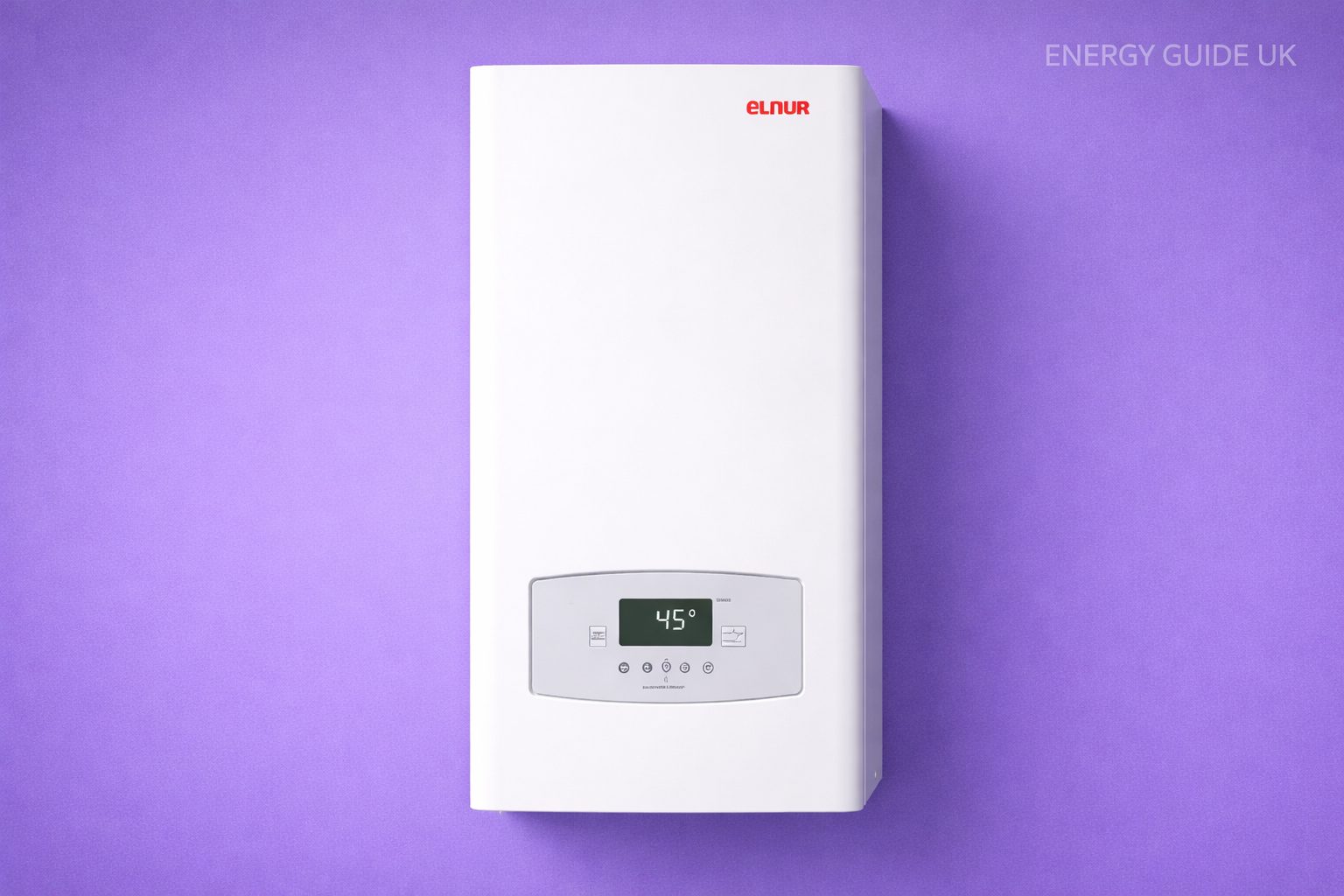
Outputs: 10 kW, 12 kW, 15 kW
Energy efficiency: 100 %
ErP Rating: D
Warranty: 2 years
Price: £850–£1,400 (excluding installation)
The Elnur Mattira MAC15 brings intelligent modulation to electric boilers, adjusting output automatically based on heat demand patterns. This reduces unnecessary output and smooths temperature swings, improving indoor comfort and helping manage running costs.
Its digital interface is intuitive, allowing homeowners to easily set schedules and modes. Modulating technology also makes the boiler more efficient in day-to-day use compared with fixed-output types. For modern homes where heating load shifts throughout the day, this intelligent control adds genuine value.
Key Features
- Smart modulating control
- User-friendly digital interface
- Responsive heat delivery
- Stable performance
Best for: Homes that benefit from smart modulation and precise control
Why it’s great: Responsive output adjustment and intuitive controls
Considerations: Requires some familiarity with digital controls
4. Viessmann Vitotron 100 – Best System Boiler for Larger or Low-Temp Homes
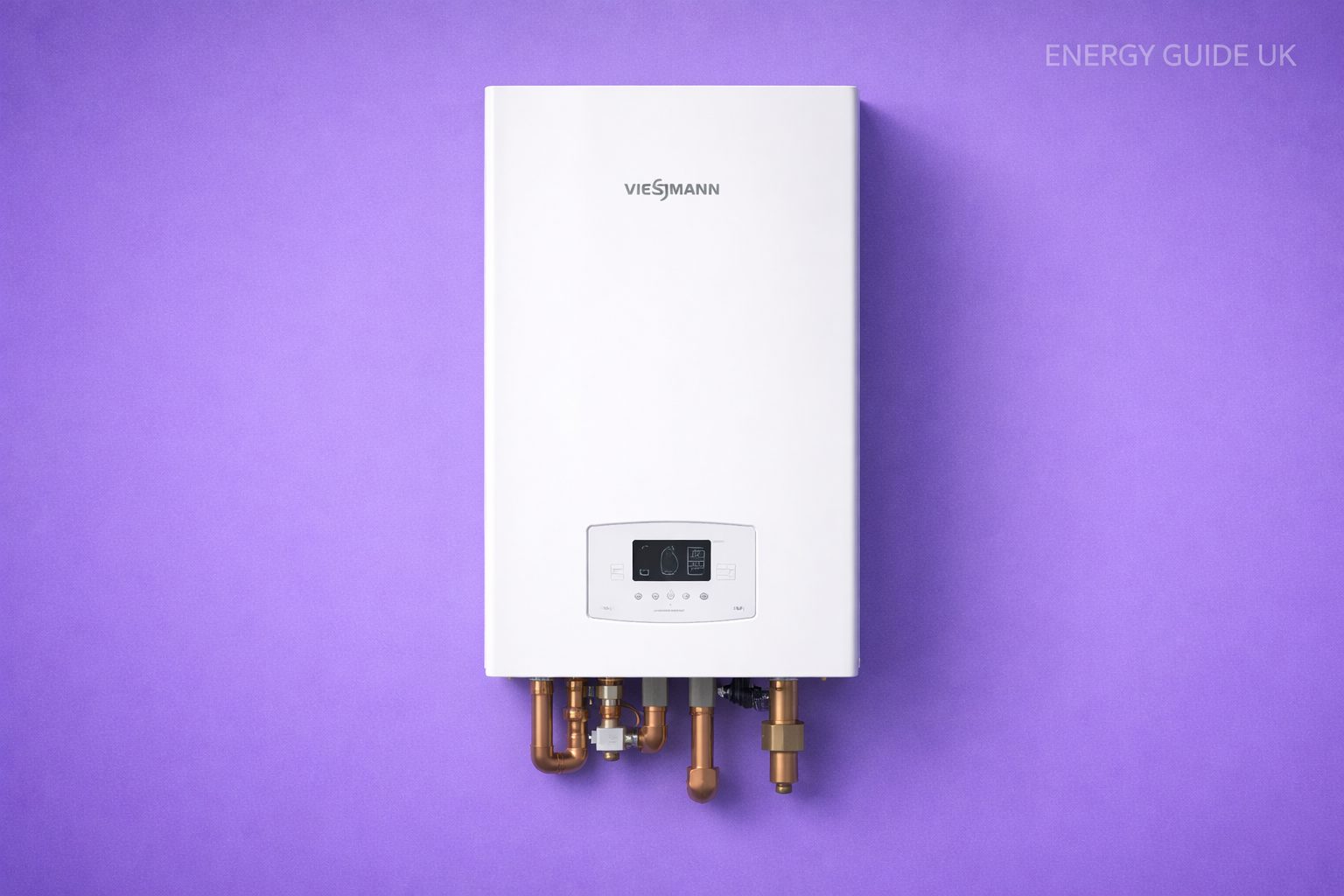
Outputs: 6 kW, 9 kW, 12 kW, 15 kW
Energy efficiency: 100 %
ErP Rating: D
Warranty: 2 years
Price: £1,000–£1,800 (excluding cylinder & installation)
The Viessmann Vitotron 100 is designed for homes with a cylinder or low-temperature systems such as underfloor heating. It integrates smoothly into system boiler setups, pairing with thermal stores to deliver sustained hot water and gentle distribution across larger floor areas.
Viessmann’s engineering quality and long company pedigree shine through in performance consistency and durability. If your property has multiple bathrooms or you want a system boiler that maximises hot water availability without strain, this is a strong candidate. Installation requires a cylinder and more planning, but offers versatility in return.
Key Features
- Excellent with thermal stores
- Strong system boiler flexibility
- Efficient low-temperature heat delivery
- Premium European build
Best for: Larger homes with stored hot water and low-temperature heating
Why it’s great: Excellent integration with cylinders and large systems
Considerations: Higher installed cost and cylinder space required
5. Strom Combi – Best Budget-Friendly Combi
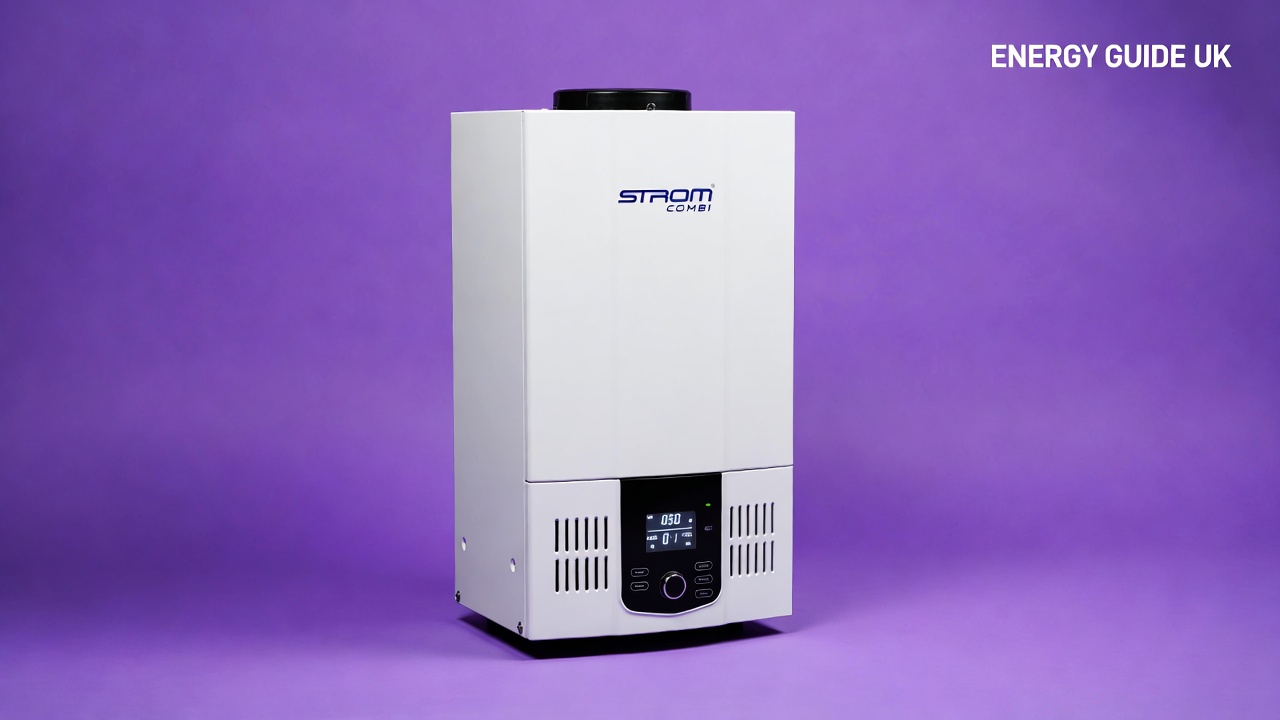
Outputs: 8 kW, 10 kW, 12 kW, 15 kW
Energy efficiency: 100 %
ErP Rating: D
Warranty: 2 years
Price: £750–£1,300 (excluding installation)
The Strom Combi offers solid performance without a high price tag, making it an excellent entry point into electric heating. It provides dependable space heating and hot water for smaller homes or flats, with quiet operation and straightforward controls.
Its compact size is useful in properties with limited boiler cupboard space, and its uncomplicated design keeps installation times short. While it lacks premium features, the Strom Combi covers core expectations well for households that prioritise simplicity, value, and reliable day-to-day performance without extra bells and whistles.
Key Features
- Value pricing
- Quiet operation
- Compact design
- Reliable basic performance
Best for: Budget-sensitive buyers and small homes
Why it’s great: Affordable yet dependable with quiet running
Considerations: Feature set and warranty are basic
6. EHC SlimJim Flow – Best for Older Properties or Traditional Setups
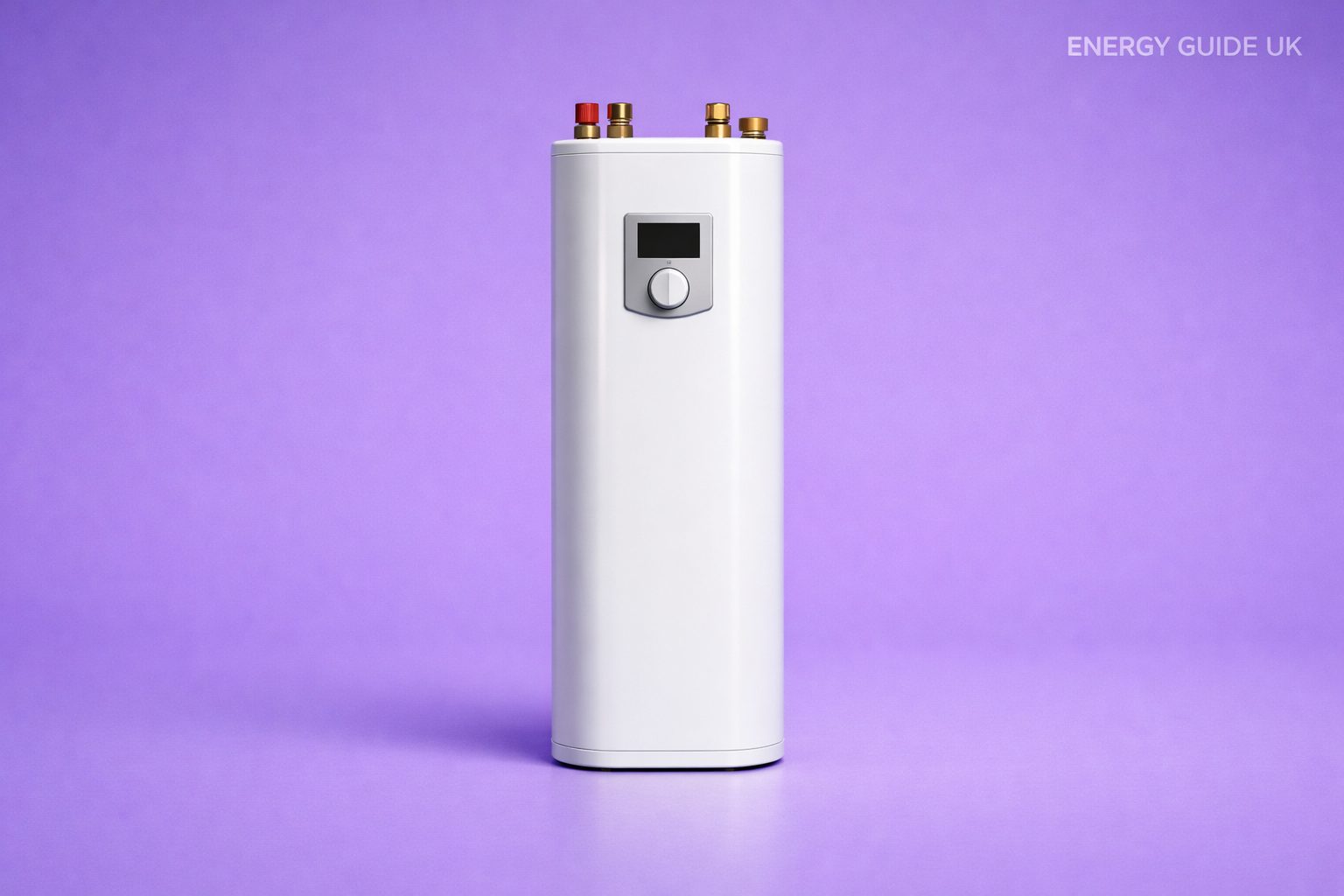
Outputs: 6 kW, 9 kW, 12 kW
Energy efficiency: 100 %
ErP Rating: D
Warranty: 2–3 years
Price: £800–£1,400 (excluding installation)
The EHC SlimJim Flow is tailored to traditional pipework layouts and retrofit scenarios, especially where a hot water cylinder is already in place. Its flow boiler configuration works harmoniously with established systems and is ideal for homes upgrading from older combustion boilers.
The SlimJim Flow maintains stable heat delivery and is easy for heating engineers to install and service. Its robust build ensures consistent performance, although the requirement for a cylinder increases installation complexity compared with combi types. For older homes with existing infrastructure, this boiler provides a smooth transition to electric heating.
Key Features
- Great for retrofit installs
- Compatible with cylinders
- Easy piping and controls
- Good serviceability
Best for: Retrofits and homes with existing cylinders
Why it’s great: Works well with traditional setups and existing pipework
Considerations: Cylinder adds to installation cost and space needs
7. Trianco Aztec – Best Value Compact Option
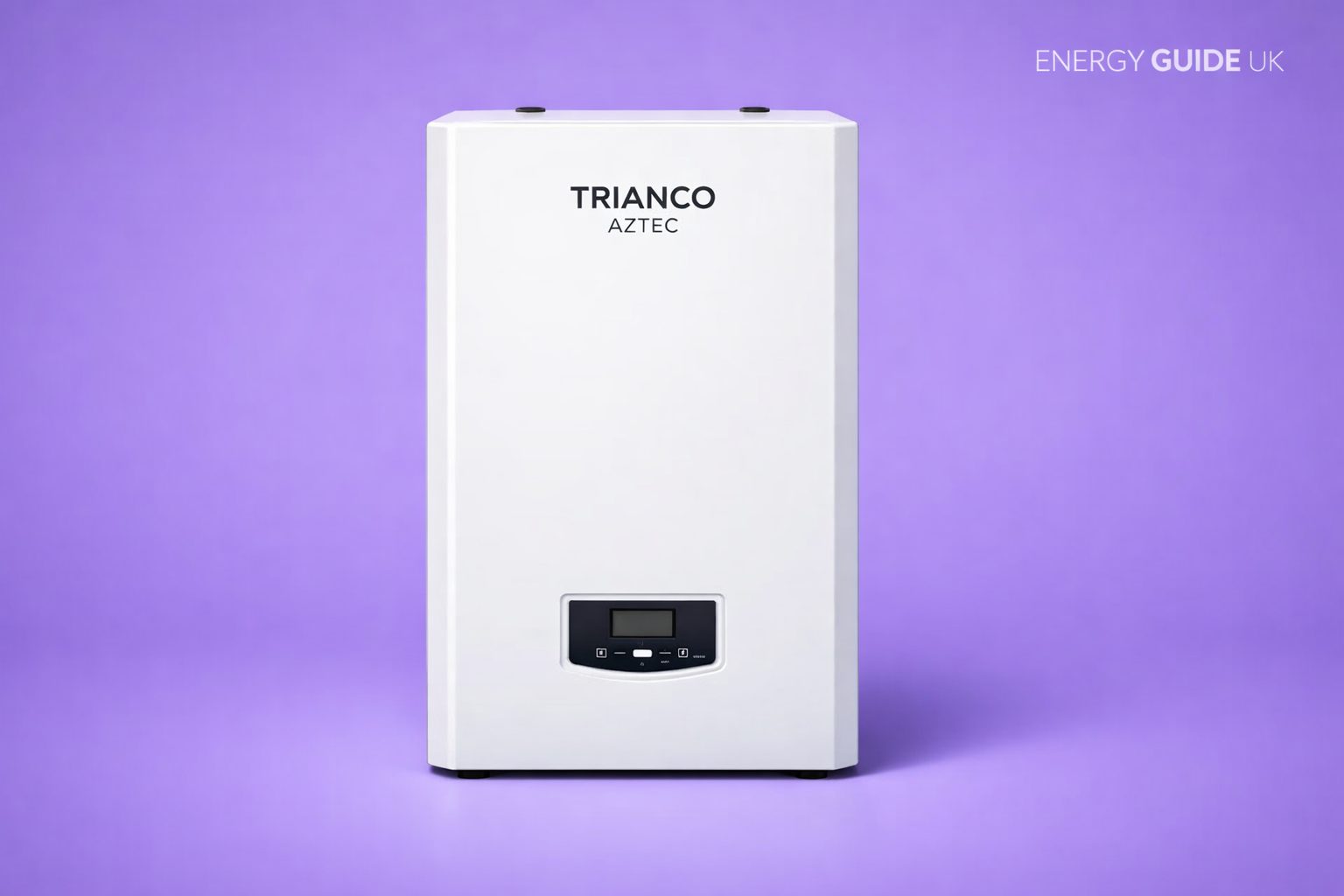
Outputs: 9 kW, 12 kW
Energy efficiency: 100 %
ErP Rating: D
Warranty: 2 years
Price: £650–£1,000 (excluding installation)
The Trianco Aztec packs reliable heating and hot water into a compact, cost-friendly package. Designed for small homes, holiday lets, or secondary properties, it provides straightforward performance without complexity. Simple digital controls make daily use easy, and its compact dimensions allow it to fit easily in restricted plant rooms or cupboards.
While output options stop at 12 kW, this matches well with small to moderate heating loads. The Aztec’s affordability and fuss-free operation make it a strong choice when budget and space are top priorities.
Key Features
- Highly competitive price
- Compact and straightforward
- Good for small homes
- Basic digital control
Best for: Small homes and compact installations
Why it’s great: Affordable, compact, and easy to use
Considerations: Lower output range and basic feature set
8. Fischer Future Heat (Variants) – Best for Off-Peak Tariff Users
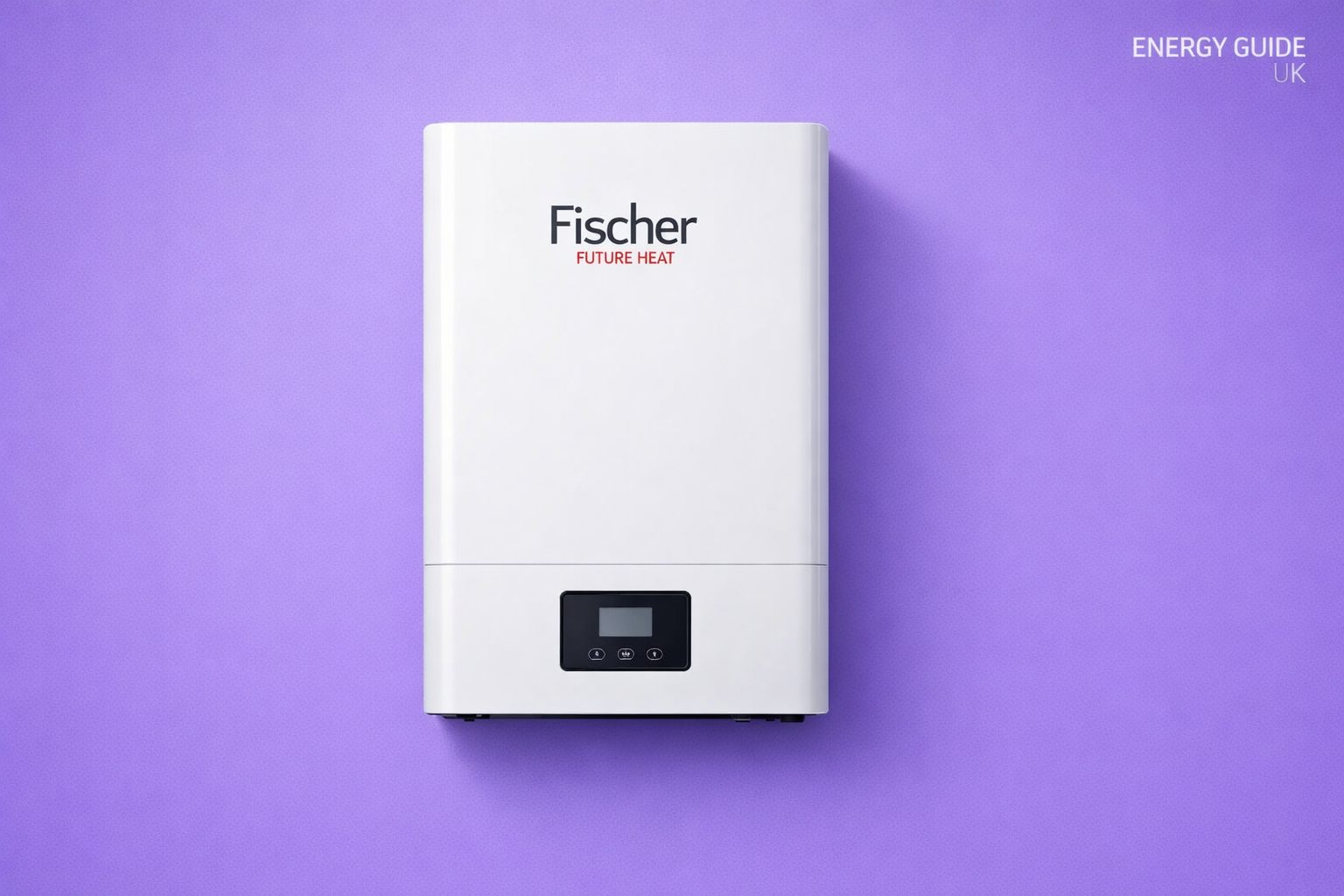
Outputs: 6 kW, 9 kW, 12 kW, 15 kW (varies by variant)
Energy efficiency: 100 %
ErP Rating: D
Warranty: 2 years
Price: £800–£1,600 (excluding installation)
Fischer Future Heat electric boilers excel in homes that make the most of off-peak or economy tariffs. Their design accommodates tariff-aware controls, allowing households to shift heating load to cheaper periods and reduce running costs. With multiple output options, they suit a wide range of property sizes.
Build quality is robust, and responsive control menus make scheduling simple. For households on time-of-use pricing looking to minimise electrical heating costs, Fischer variants provide excellent flexibility and performance.
Key Features
- Excellent with off-peak tariffs
- Flexible control options
- Good build quality
- Tariff-aware performance
Best for: Homes using off-peak or economy electricity tariffs
Why it’s great: Flexible controls and strong tariff responsiveness
Considerations: Best value realised when paired with time-of-use tariffs
9. Thermo Group Elektra – Best for Modern, Quiet Designs
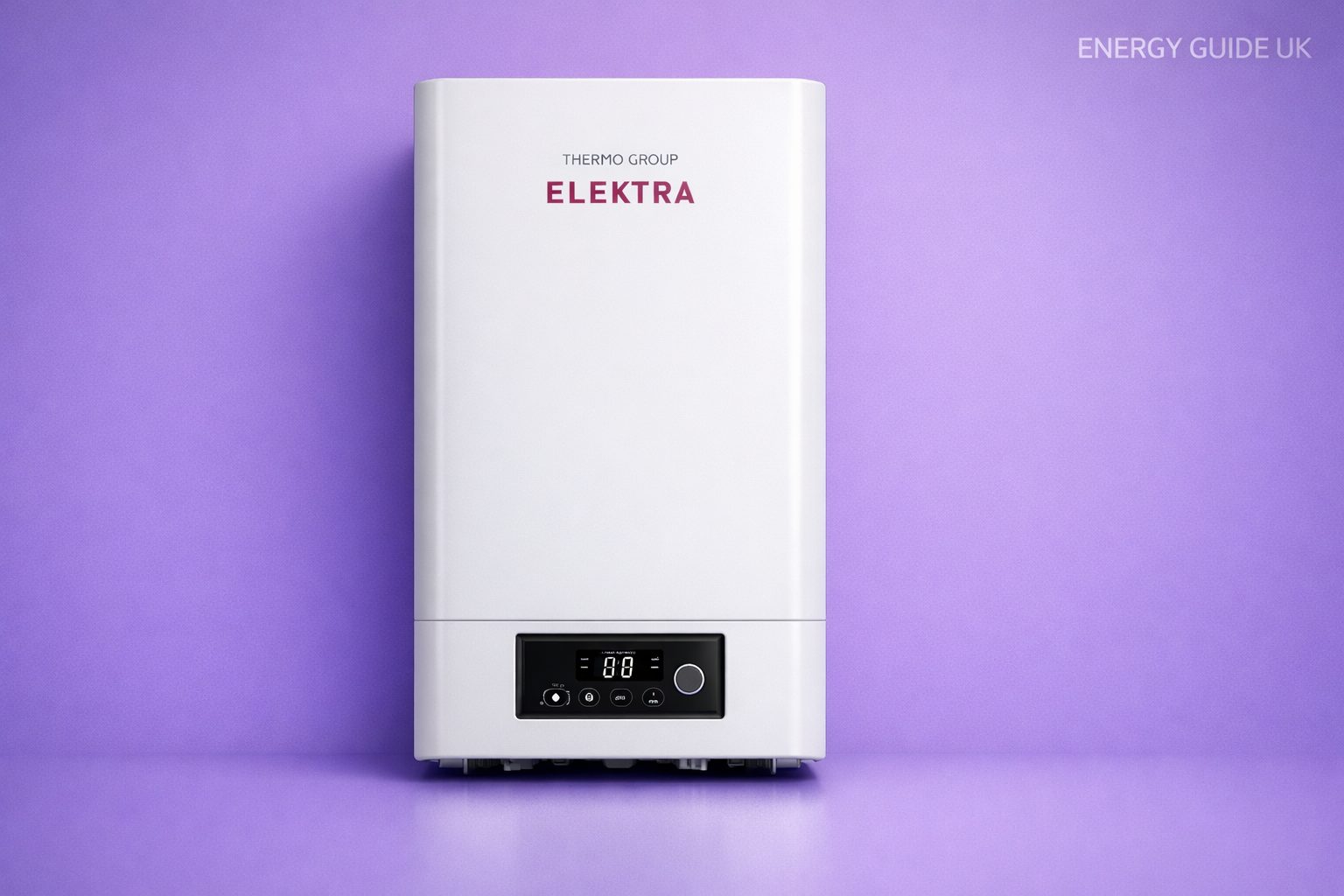
Outputs: 8 kW, 10 kW, 12 kW, 15 kW
Energy efficiency: 100 %
ErP Rating: D
Warranty: 2 years
Price: £900–£1,700 (excluding installation)
The Thermo Group Elektra pairs modern aesthetics with whisper-quiet operation and a sophisticated control interface. Its digital menus and responsive touchscreen make it intuitive to schedule heat and hot water around daily routines. Quiet operation (< 40 dB) makes it particularly appealing in open-plan living spaces or where the boiler is in proximity to living areas.
Performance is consistent and reliable, and modulation reduces noise and energy waste. For homes where user experience and quieter operation are priorities, Elektra stands out.
Key Features
- Whisper-quiet operation (<40 dB)
- Modern digital controls
- Reliable modulation
- Compact wall-mounted design
Best for: Contemporary homes valuing quiet operation and design
Why it’s great: Whisper-quiet performance and modern controls
Considerations: Cost is higher than basic models
10. Grant Vortex Eco (Electric) – Best for Renewable/Hybrid Focus
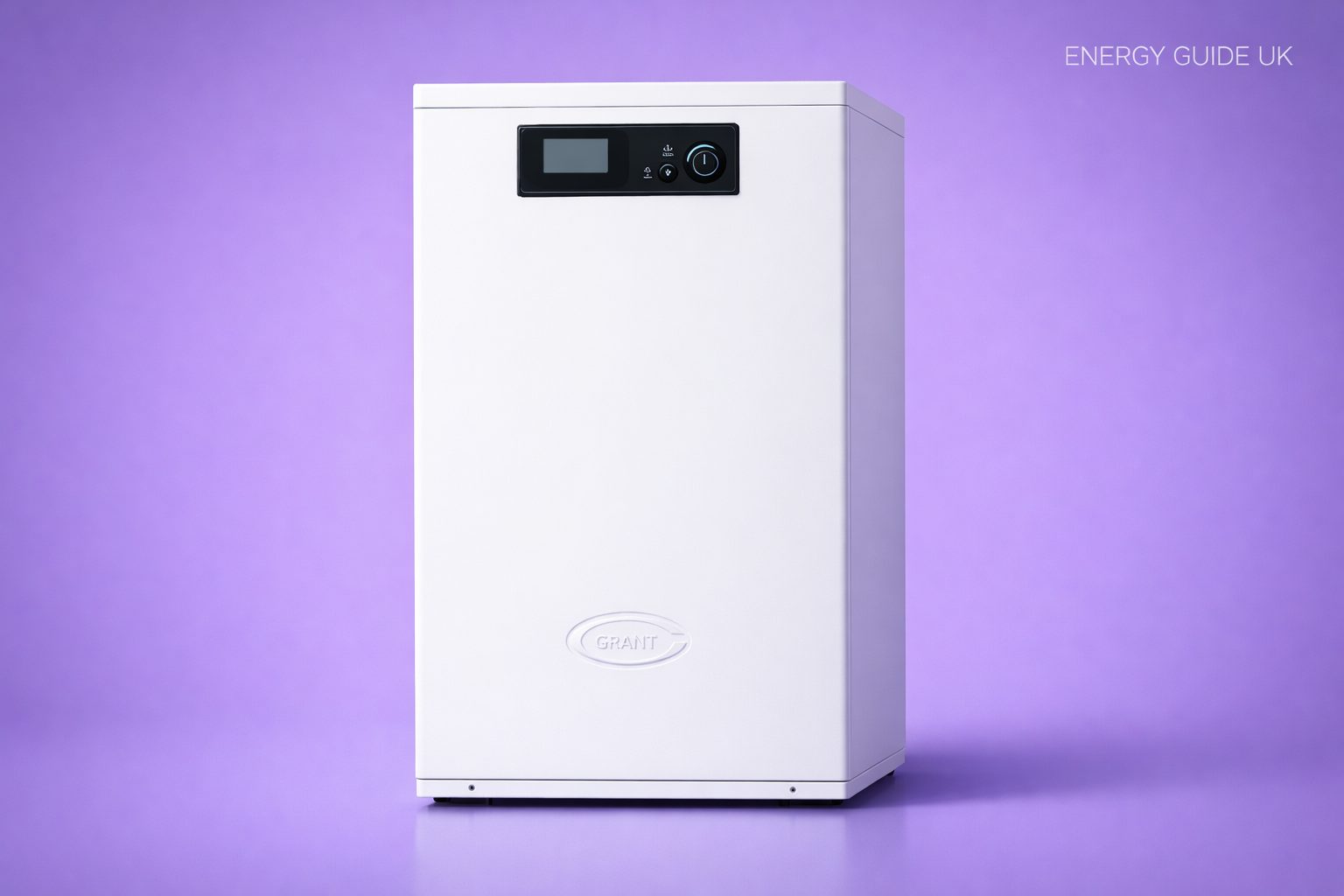
Outputs: 8 kW, 10 kW, 12 kW, 15 kW
Energy efficiency: 100 %
ErP Rating: D
Warranty: 3 years
Price: £1,000–£2,000 (excluding installation)
The Grant Vortex Eco Electric range targets homes with renewables or hybrid heating systems. Its controls are designed to integrate with solar PV generation and thermal storage, helping households maximise self-generated electricity for heating and hot water.
With smart scheduling and responsive modulation, it ensures comfort and efficiency when paired with battery or PV inputs. Build quality is robust and supported by a reputable manufacturer known for innovation. For energy-conscious homeowners looking for eco-friendly boilers, the Vortex Eco delivers flexibility and future-readiness.
Key Features
- Renewable integration ready
- Smart heat scheduling
- Solid build quality
- Good modulation responsiveness
Best for: Homes integrating renewables or hybrid systems
Why it’s great: Designed for renewable integration and smart scheduling
Considerations: Premium price; benefits best realised in green setups
Top Electric Boilers Comparison Table
| Model | Outputs (kW) | Type | ErP Rating | Warranty | Approx Price (Boiler Only) | Best For |
| EHC Comet | 8, 10, 12, 15 | Combi | D | 2–5 yrs | £700–£1,300 | All-round household use |
| Heatrae Sadia Electromax | 9, 12, 15 | Combi | D | 2 yrs | £900–£1,500 | High hot water demand |
| Elnur Mattira MAC15 | 10, 12, 15 | Combi | D | 2 yrs | £850–£1,400 | Smart modulation |
| Viessmann Vitotron 100 | 6, 9, 12, 15 | System | D | 2 yrs | £1,000–£1,800 | Larger/low-temp homes |
| Strom Combi | 8, 10, 12, 15 | Combi | D | 2 yrs | £750–£1,300 | Budget-friendly combi |
| EHC SlimJim Flow | 6, 9, 12 | Flow/System | D | 2–3 yrs | £800–£1,400 | Older/traditional installs |
| Trianco Aztec | 9, 12 | Combi | D | 2 yrs | £650–£1,000 | Compact, budget |
| Fischer Future Heat | 6, 9, 12, 15 | Combi/System | D | 2 yrs | £800–£1,600 | Off-peak tariff users |
| Thermo Group Elektra | 8, 10, 12, 15 | Combi | D | 2 yrs | £900–£1,700 | Quiet, modern design |
| Grant Vortex Eco (Electric) | 8, 10, 12, 15 | Combi | D | 3 yrs | £1,000–£2,000 | Renewable/hybrid systems |
What are the Types of the Best Electric Boilers?
Electric boilers come in several forms, each tailored to different home sizes, hot water needs, and installation constraints.
Electric Combi Boilers
These all-in-one units heat water for radiators/underfloor systems and provide instant domestic hot water on demand, so you don’t need a separate cylinder. Such combi boilers are best for small to medium homes (1-3 bedrooms, 1 bathroom), flats, or apartments with limited space. Popular examples include the EHC Comet and Strom Combi, and many now include smart modulation and app controls for better efficiency with variable tariffs
Pros:
- Compact wall-mounted design saves valuable cupboard or loft space.
- Instant hot water. No waiting for a tank to heat up.
- Simpler installation (fewer components than system/regular setups).
- Lower upfront costs compared to cylinder-based systems.
Cons:
- Limited simultaneous hot water flow (e.g., shower + kitchen tap may reduce pressure in larger households).
- Higher peak electrical demand during use.
Electric System Boilers
These heat your central heating system directly and connect to a separate unvented hot water cylinder (stored in an airing cupboard or loft) for on-demand hot water. Electric system boilers are best for medium to larger homes (3+ bedrooms, multiple bathrooms) with higher hot water demand.
Pros:
- Consistent hot water pressure and volume, even for multiple taps/showers at once.
- Easier to integrate with existing radiators or underfloor heating.
- Can work with solar thermal or heat pumps for hybrid setups.
Cons:
- Requires space for a cylinder (though unvented cylinders are compact).
- Slightly higher installation complexity and cost.
Electric Heat-Only (Regular) Boilers
These provide heating to radiators only and require both a hot water cylinder and a cold-water feed tank (often in the loft) for gravity-fed hot water. Electric heat-only boilers are best for older properties with existing traditional systems or those needing full replacement of gravity-fed setups. However, they’ve declining in popularity as combi and system options dominate for simplicity.
Pros:
- Flexible for very large or multi-storey homes.
- Compatible with existing tanks and pipes in period properties.
Cons:
- Needs more space (loft tank + cylinder).
- Higher maintenance potential due to additional components.
- Less common in new installations.
Other/Emerging Variants
- Dry Core Storage / Economy 7 Boilers: Charge during off-peak hours (cheaper night rates) and store heat in a core for daytime release—great for properties on time-of-use tariffs.
- Solar-Compatible / Hybrid Electric Boilers: Integrate directly with PV panels or batteries to offset running costs— increasingly popular as solar adoption rises.
- Micro / Point-of-Use Boilers: Small units for single-room or supplementary heating (e.g., en-suites or extensions).
Quick Comparison Table:
| Feature | Combi | System | Flow |
| Hot water cylinder needed? | No | Yes | Yes |
| Best for small homes | Yes | No | No |
| Best for multiple bathrooms | No | Yes | Yes |
| Space required | Low | Medium–High | Medium |
| Works well with solar PV | Yes | Yes | Yes |
| Installation cost | Lower | Higher | Moderate |
Did you know the efficiency of your boiler can impact the amount of energy it uses and ultimately impact your heating bill costs? Check out our guide to the best condensing boilers if you are interested to find out more.
How to Choose between the Best Electric Boilers
Selecting the right electric boiler isn’t just about picking the most popular model. You must match the unit precisely to your home’s needs, electrical setup, lifestyle, and long-term goals. In 2026, with electricity tariffs evolving (e.g., more dynamic and off-peak options), solar PV integration rising, and the grid continuing to green, the “best” choice prioritises efficiency at the point of use (nearly 100%), reliability, smart controls, and value over time.
Here’s how you can narrow down your options confidently:
Assess Your Property Size and Hot Water Demand
- Small properties (1–2 bedrooms, 1 bathroom, flat/apartment): Opt for a combi boiler (e.g., EHC Comet, Strom Combi, Elnur Mattira MAC15). These deliver instant heating and hot water without a cylinder, saving space and simplifying installation.
- Medium to large homes (3+ bedrooms, multiple bathrooms): Choose a system boiler paired with an unvented cylinder (e.g., Viessmann Vitotron 100, Heatrae Sadia Electromax) for consistent hot-water pressure during peak use.
- Older or traditional setups (existing loft tank): Consider a regular/heat-only boiler (e.g., EHC SlimJim Flow variants) to minimise pipework changes.
- Rule of thumb: Calculate approximate heat load. Small homes need 6–12 kW; medium homes, 12–18 kW; larger or poorly insulated properties, 18–24 kW. Many modern electric boilers modulate output automatically to match demand.
Check Your Electrical Supply and Home Readiness
- Electric boilers draw significant power (up to 24 kW peak), so confirm your property has:
- Single-phase (common for smaller units) or three-phase supply (essential for higher-output models).
- Adequate consumer unit capacity—upgrades may cost £500–£1,500 if needed.
- Insulation matters hugely: Well-insulated homes (e.g., post-2000 builds) reduce running costs dramatically. Poorly insulated older properties amplify electricity bills.
- Tariff check: Economy 7/10, Octopus Agile/Intelligent, or solar-export tariffs can cut costs by 30–50%. Prioritise boilers with smart scheduling or off-peak compatibility.
Prioritise Key Features and Specifications
Use these criteria to compare models:
- Efficiency: All-electric boilers achieve 99–100% efficiency at the point of use—focus on real-world modulation and low standby losses.
- Output range (kW): Ensure it covers your heat demand without oversizing (wastes money).
- Noise level: Look for <40 dB for quiet operation (most modern units achieve this).
- Smart controls: Wi-Fi/app integration (e.g., scheduling, geofencing, voice control) for energy optimisation.
- Compatibility: Solar PV/battery, underfloor heating, low-temperature radiators, or future heat pump hybrids.
- Warranty: 2–10+ years (extendable on cylinders); UK-based support is a big plus.
- Brand reputation: Top performers in 2026 include Electric Heating Company (EHC), Heatrae Sadia, Elnur, Viessmann, Strom, and Trianco based on reliability, user reviews, and after-sales service.
Wondering which boiler manufacturers performed best? Check out our best boiler brands guide for the full rundown, and if you are trying to determine who the best boiler installation company is, check out our Warmzilla and Boxt reviews.
Factor in Budget and Running Costs
- Upfront costs:
- Supply only: £800–£3,000
- Fully installed: £2,000–£5,500 (higher for electrical upgrades or cylinder addition)
- Annual running costs: £1,200–£3,000 for an average UK home (varies by tariff, insulation, usage). Pair with solar to drop below £1,000.
- Value sweet spot: Balance initial price with features like modulation (saves 10–20% on bills) and long warranties.
Consider Future-Proofing and Extras
- Solar/renewable ready: Models with direct PV input or battery compatibility maximise savings as renewables grow.
- Grants/incentives: Check ECO4 or Boiler Upgrade Scheme eligibility (though focused on heat pumps, some low-income support applies).
- Installer quality: Use Part P-qualified electricians; get multiple quotes to save £500+.
How Do the Best Electric Boilers Compare to Heat Pumps? Which Is Better in 2026?
As the UK transitions away from gas heating, many homeowners are deciding between two electric alternatives: electric boilers and air source heat pumps (ASHPs). Both run on electricity, but they operate very differently. That difference has a major impact on installation, operating, and suitability costs.
How They Work
Electric Boilers
An electric boiler converts electricity directly into heat. The process is simple: electrical elements heat water, which then circulates through radiators or underfloor systems.
- Close to 100% efficient at the point of use
- No combustion, flue, or gas supply required
- Works similarly to a traditional gas boiler
It’s straightforward, compact, and mechanically simple.
Air Source Heat Pumps
A heat pump extracts heat from the outside air and upgrades it using a compressor system. Instead of generating heat directly, it transfers and amplifies existing heat energy.
- Typically delivers 3–4 units of heat per 1 unit of electricity (COP 3–4)
- Operates at lower flow temperatures
- Requires an outdoor unit
This efficiency multiplier is the key advantage of heat pumps.
Running Costs (Using Ofgem Price Cap Rates)
Using the current Ofgem electricity unit rate of 27.69p per kWh, the effective cost of delivered heat differs significantly.
| System | Electricity Used | Effective Cost Per kWh of Heat |
| Electric Boiler | 1 kWh → 1 kWh heat | 27.69p |
| Heat Pump (COP 3) | 1 kWh → 3 kWh heat | ~9.23p |
| Heat Pump (COP 4) | 1 kWh → 4 kWh heat | ~6.92p |
What this means:
- Electric boilers cost the full electricity unit rate per kWh of heat.
- Heat pumps can reduce the effective heating cost by two-thirds or more.
- In well-designed systems, heat pump running costs can approach or beat gas heating costs.
However, real-world efficiency depends heavily on insulation, radiator sizing, and correct system design.
Find out whether electric boilers are expensive to run in our guide, along with the costs involved in installing a new boiler.
Installation Costs
Upfront cost is where electric boilers have a clear advantage.
Electric boiler installation (typical UK 2026):
- £1,500–£4,000 fully installed
- Faster installation
- Minimal structural changes
Air source heat pump installation:
- £7,000–£13,000 before grants
- Boiler Upgrade Scheme grants available (up to £7,500 in England & Wales)
- May require radiator upgrades and system redesign
Even with grants, heat pumps require more planning and disruption.
Property Suitability
The “best” option often depends on the type of property.
Electric Boilers Are Well-Suited To:
- Flats with no outdoor space
- Listed buildings
- Small to mid-sized homes
- Straightforward gas-to-electric conversions
- Homes where major renovations aren’t planned
Heat Pumps Are Better For:
- Well-insulated properties
- New builds
- Homes with underfloor heating
- Long-term homeowners seeking lower running costs
- Properties able to accommodate an outdoor unit
Heat pumps operate at lower water temperatures, so poorly insulated homes may struggle without upgrades.
Maintenance & Lifespan
Electric boilers are mechanically simple. They contain very few moving parts and generally require minimal servicing. Typical lifespan ranges from 10 to 15 years.
Heat pumps have compressors and fans, meaning more moving parts. Annual servicing is recommended, but they can last 15–20 years when properly maintained.
Noise is another consideration:
- Electric boilers are effectively silent.
- Heat pumps produce a mild outdoor fan noise, similar to that of an air conditioning unit.
Environmental Impact
Both systems are electric and benefit from the UK’s increasingly decarbonised grid.
However:
- Electric boilers produce heat at a 1:1 electricity ratio.
- Heat pumps multiply heat output per unit of electricity.
Because of this, heat pumps generally have a lower carbon footprint per kWh of heat delivered, particularly as grid electricity becomes greener.
Should You Choose an Electric Boiler or Heat Pump?
Electric boilers make sense when:
- Lower upfront cost is a priority
- Installation simplicity matters
- Space is limited
- The property cannot accommodate a heat pump
Heat pumps make sense when:
- The home is well insulated
- Long-term energy savings are the goal
- Government grants are accessible
- The homeowner plans to stay long-term
There is no universal winner. The right solution depends on the building, budget, and long-term heating strategy.
How are the Best Electric Boilers Installed?
One of the main advantages of electric boilers is their simple installation. There’s no flue, no gas connection, and no combustion safety requirements. However, that doesn’t mean installation is “plug and play.” Proper setup still requires electrical checks, system preparation, and commissioning.
Here’s what typically happens during a professional installation in the UK.
1. Pre-Installation Survey
Before any work begins, a qualified installer should assess:
- Heat loss calculations
- Existing radiator system condition
- Electrical supply capacity (main fuse rating & consumer unit)
- Pipework layout
- Location for mounting
If the electrical supply is insufficient (for example, a 60A main fuse in a larger property), a Distribution Network Operator (DNO) upgrade may be required before installation proceeds.
This stage prevents overload issues later.
2. Removing the Old System (If Applicable)
If replacing a gas boiler:
- The gas supply is safely capped off
- The flue is removed and sealed
- The old boiler unit is disconnected
- Any redundant pipework is adjusted
If replacing another electric system, removal is typically quicker. This stage usually takes a few hours, depending on system complexity.
3. Electrical Preparation
Electric boilers draw significant current, especially higher kW models. The installer will:
- Install a dedicated circuit from the consumer unit
- Fit appropriate MCB/RCD protection
- Ensure correct cable sizing
- Install an isolation switch
In some cases, a consumer unit upgrade may be recommended to comply with modern regulations (BS 7671 Wiring Regulations). This is one of the most important technical steps.
4. Mounting and Pipework Connection
Electric boilers are compact and wall-mounted. Once positioned:
- Flow and return pipes are connected
- Pressure relief components are fitted
- Expansion vessel (if required) is installed
- The filling loop is connected
Because there is no flue or condensate pipe (in most models), the physical installation is cleaner and less invasive than that of gas systems.
5. System Flush and Water Treatment
If connecting to an existing radiator system, a system flush may be recommended to remove sludge and debris. The installer will:
- Add corrosion inhibitor
- Check system pressure
- Inspect radiators for cold spots
- Balance the system
This protects the boiler and improves efficiency.
6. Commissioning and Testing
Once installed, the boiler is:
- Powered and tested under load
- Checked for correct amperage draw
- Verified for thermostat operation
- Programmed for heating schedules
- Pressure tested
Commissioning is typically faster than with gas boilers because there’s no combustion.
7. Handover and Documentation
At completion, you should receive:
- Installation certificate
- Electrical compliance documentation
- Warranty registration confirmation
- User manual guidance
Unlike gas boilers, electric boilers do not require Gas Safe certification, but electrical compliance paperwork is essential.
How Long Does Installation Take?
Typical timeframes:
- Straight swap: 1 day
- With electrical upgrades: 1–2 days
- Full system redesign: 2+ days
Electric boiler installation is simpler, faster, and less invasive than gas or heat pump systems, but electrical capacity planning is critical. When installed correctly, the process is straightforward and typically completed within one to two days, making electric boilers one of the least disruptive heating upgrades available in the UK.
Final Thoughts on the Best Electric Boiler in the UK
Electric boilers have emerged as a compelling, low-carbon heating option in the UK by 2026, particularly for homes without mains gas, in apartments, listed buildings, or those integrating solar PV and battery storage. Their near-100% efficiency at the point of use, lack of flue or combustion requirements, minimal maintenance needs, and flexible installation locations make them increasingly attractive as the national grid continues to decarbonise, and off-peak tariffs become more accessible.
No single electric boiler suits every property, and the best one for you will depend on home size, electrical capacity, hot water demand, budget, and long-term energy goals. With installation typically simpler and quicker than gas or oil systems, and upfront costs ranging from £2,300 to £5,500, electric boilers now offer a realistic bridge to full electrification for many households.
Get free, no-obligation quotes from trusted installers to assess your electrical readiness, compare pricing, and identify the ideal model for your circumstances. Whether replacing an ageing system, planning a greener retrofit, or building new, electric heating delivers reliable comfort with a clear path toward lower emissions and greater energy independence.
FAQs on the Best Electric Boiler in the UK
What Is the Best Electric Boiler in the UK?
The best electric boiler depends on your home’s size, hot water needs, and electrical setup. Popular models include the EHC Comet, Heatrae Sadia Electromax, and Elnur Mattira. Small flats benefit from compact combi boilers, while larger homes may need a system boiler with a cylinder. Smart controls and warranty length are key factors. Ultimately, the ideal choice is one correctly sized and professionally installed.
Are Electric Boilers the Future?
Electric boilers are well-positioned for the UK’s move away from gas heating, especially as the 2035 gas boiler phase-out approaches. They produce zero on-site emissions and work with decarbonised electricity. Heat pumps are more efficient in larger homes, but electric boilers remain practical for flats, off-grid properties, and heritage buildings. Their simplicity and lower upfront costs make them a realistic solution. They are part of the future, though not the sole long-term answer.
What Is the Best Brand of Electric Boiler?
Top-rated brands in the UK include EHC, Heatrae Sadia, Elnur, Viessmann, and Trianco. The “best” brand depends on what matters most: warranty, build quality, smart features, or integrated hot water. Checking after-sales support and installer recommendations is crucial. All of these brands have models suitable for a variety of property sizes and applications. Choosing a reputable brand helps ensure reliability and longevity.
Is It Worth Getting an Electric Boiler in the UK?
Electric boilers are worth considering for homes without mains gas, flats, or smaller, well-insulated properties. They have lower upfront installation costs and work well with solar PV or off-peak tariffs. Running costs can be higher than those of gas or heat pumps, but their simplicity, low maintenance, and compact design make them appealing. They provide a clean, regulation-compliant heating option for properties where alternatives are impractical. Cost-effectiveness depends on electricity pricing and property efficiency.
What Are the Disadvantages of Electric Boilers?
Electric boilers have higher running costs than gas and do not multiply heat output like heat pumps. Combi models can struggle with simultaneous high-demand hot water use. Some properties may require electrical upgrades to handle higher kW loads. They are not the main focus of government grants, and efficiency depends heavily on insulation quality. While reliable and low-maintenance, they are best suited to smaller or well-insulated homes rather than large, high-demand properties.
Are Electric Boilers 100% Efficient?
Electric boilers are nearly 100% efficient at converting electricity into heat within the home. Very little energy is lost in operation, making them highly reliable for direct heating. However, this does not account for electricity generation or wider system losses.
Unlike heat pumps, they do not multiply heat output, so running costs per kWh can be higher. Efficiency is excellent in principle, but cost-effectiveness depends on electricity prices and usage patterns.
Related reading:
Sources and References
- Department for Energy Security and Net Zero – Heat and building strategy
- Ofgem – Energy price cap explained