
Last Updated on February 20, 2026
LPG boiler costs in 2026 average from around £500 to £2,600 without installation, and they offer a reliable and efficient alternative heating solution to gas or oil boilers if you’re off the grid or in rural areas.
The Department for Energy Security and Net Zero (DESNZ) estimates that 15.3% of domestic properties, or 4.5 million households across Great Britain, are not connected to the gas grid. Such households must rely on alternative sources of fuel like liquefied petroleum gas (LPG).
For many homes in villages, farmhouses, and remote locations, LPG sits in a practical middle ground. It delivers familiar central heating and hot water through a conventional boiler, without the infrastructure required for mains gas. Modern LPG boilers achieve efficiency levels above 90%, matching gas models and outperforming older oil systems still operating in off-grid properties.
Costs remain one of the biggest questions. The upfront price of the boiler itself is only part of the picture. Installation, tank setup, and annual fuel use shape the real long-term spend, and can be influenced by property size, insulation, and LPG market prices.
🔥 Need a New Boiler? Get a Fixed Price in 90 Seconds
Don’t waste time phoning around — Heatable shows you the best boiler deals online in under two minutes. No sales calls, no hidden fees, just instant prices from a trusted installer.
Get Your Fixed Price NowWhether you’re switching from an oil boiler or upgrading an ageing system, understanding how much LPG boilers cost in 2026, including purchase prices of top models, installation costs, tank expenses, and annual running costs, ensures you know what to expect before committing.
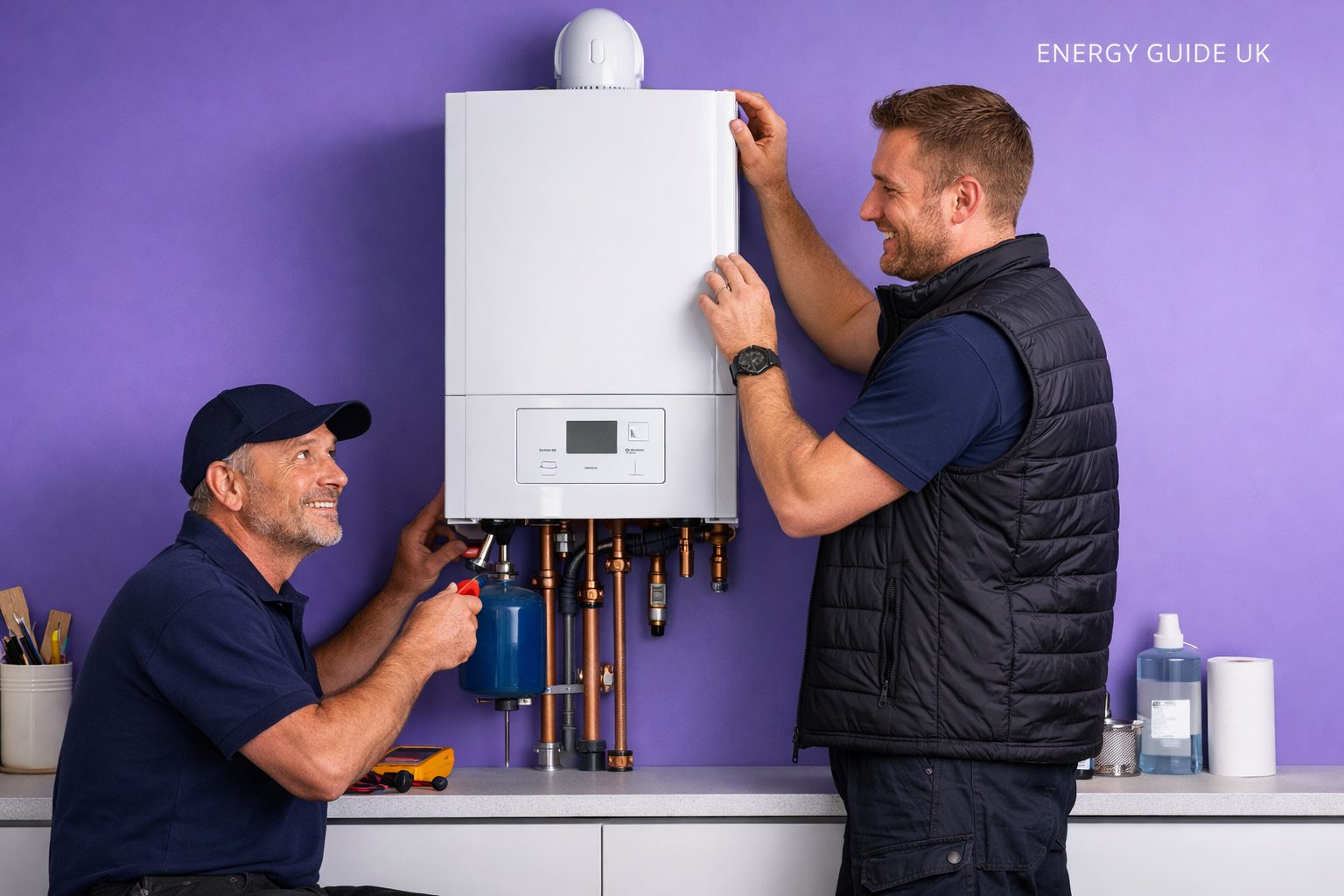
Key Takeaways on LPG Boiler Costs and Best LPG Boilers UK:
- LPG boiler costs range between £500 and £2,600 without installation.
- Total LPG boiler installation costs in the UK typically range from £1,800 to £4,500, depending on boiler size, property type, and installation complexity.
- Annual LPG heating running costs usually fall between £700 and £2,800, depending on household energy consumption.
- LPG tanks can be rented for £60 to £250 per year or purchased for £800 to £3,000, depending on size and whether the tank is installed above or below ground.
- Modern LPG boilers achieve efficiency levels of over 90%, helping reduce fuel use compared to older heating systems.
- LPG boilers typically last 10 to 15 years, with annual servicing recommended to maintain safe and efficient operation.
- LPG heating costs more than mains gas per kWh, but remains one of the most practical heating options for off-grid homes.
What Is an LPG Boiler and How Does It Work?
An LPG boiler heats your home and hot water by burning liquefied petroleum gas stored in a tank on your property. The system works in much the same way as a mains gas boiler. The key difference lies in the fuel supply. Instead of drawing gas from the national grid, LPG arrives by tanker and is stored either in an above-ground cylinder or an underground tank, which a supplier refills periodically.
LPG, or liquefied petroleum gas, is a mixture of propane and butane compressed into liquid form. When released, it becomes a gas and burns efficiently. According to Liquid Gas UK, LPG remains one of the main heating fuels for homes without access to the gas network, particularly in rural, off-grid areas.
Inside the boiler, LPG passes through a burner and ignites in a sealed combustion chamber. The heat produced transfers into water circulating through your radiators, underfloor heating, and taps. Modern condensing LPG boilers capture extra heat from exhaust gases, helping achieve efficiency levels above 90%.
Most homes with oil or older heating systems can switch to LPG without replacing radiators or pipework. This reduces upgrade complexity and installation time compared with low-temperature systems such as heat pumps.
What are the Main Types of LPG Boilers in the UK?
Combi LPG Boilers
These provide heating and hot water directly without a separate cylinder. They suit smaller to medium (1-2 bathroom) homes with limited space and good mains water pressure. Combi LPG boilers are compact and can fit in a kitchen cupboard to ensure no storage losses. However, they may struggle with simultaneous high demand (e.g., shower + taps).
System LPG Boilers
These use a hot water cylinder, making them suitable for medium to large homes with multiple bathrooms and a higher hot water demand. They offer a consistent hot water supply and can handle peak demand well, but you’ll need space for the cylinder (often in an airing cupboard).
Regular LPG Boilers
These connect to a traditional heating system with both a cylinder and a cold water tank. They are often found in older properties with low water pressure or existing traditional setups. They’re flexible for extensions or low-pressure systems but feature more components, higher heat loss potential, and bulkier installation.
LPG Boiler Costs UK: Full Price Breakdown (2026)
The cost of an LPG boiler in the UK varies based on the type of boiler, its size, and the level of performance you choose. There are also price differences between entry-level and premium models.
Average LPG Boiler Costs (Supply Only)
This is the price for the boiler unit itself, without installation.
| Boiler Type | Budget | Mid-range | Premium |
| Combi LPG boiler | £500 | £700 to £1,200 | £1,200 to £1,800 |
| System LPG boiler | £600 | £900 to £1,400 | £1,400 to £2,000 |
| Regular LPG boiler | £700 | £1,000 to £1,600 | £1,600 to £2,600 |
Premium models cost more due to:
- Longer warranties, often up to 10 years
- Higher efficiency ratings
- Quieter operation
- Better internal components
For example, LPG versions of the Worcester Bosch Greenstar range and Vaillant ecoTEC models sit at the higher end of the price range.
LPG Boiler Costs for Installation
Installation costs depend on how complex the job is. Labour makes up a significant portion of the total cost, and the Health and Safety Executive emphasises that businesses and operatives must be on the Gas Safe Register to ensure they’re competent and can legally undertake both piped natural gas and liquefied petroleum gas (LPG) work in Great Britain.
Typical installation costs in the UK:
| Installation Type | Typical Cost |
| Straight boiler replacement | £800 to £1,500 |
| Conversion from oil to LPG | £1,500 to £2,500 |
| Full new system installation | £2,500 to £4,000 |
Costs increase if:
- Pipework needs replacing
- A new hot water cylinder is required
- The boiler is relocated
Total LPG Boiler Costs Installed
Combining supply and installation, most households pay within this range:
| Property Type | Total Installed Cost |
| Small home | £1,800 to £3,000 |
| Medium home | £2,200 to £3,800 |
| Large home | £3,000 to £4,500 |
This aligns with UK installer pricing and manufacturer-recommended installation requirements. These figures cover the boiler and labour only. LPG tank costs and fuel costs are separate and can add significantly to your overall heating budget.
Wondering how much a new boiler costs? Check out our guide on options available if you need a new boiler but can’t afford it, as well as boilers on finance and government boiler grants here.
LPG Tank Costs UK: Purchase, Rental, and Installation
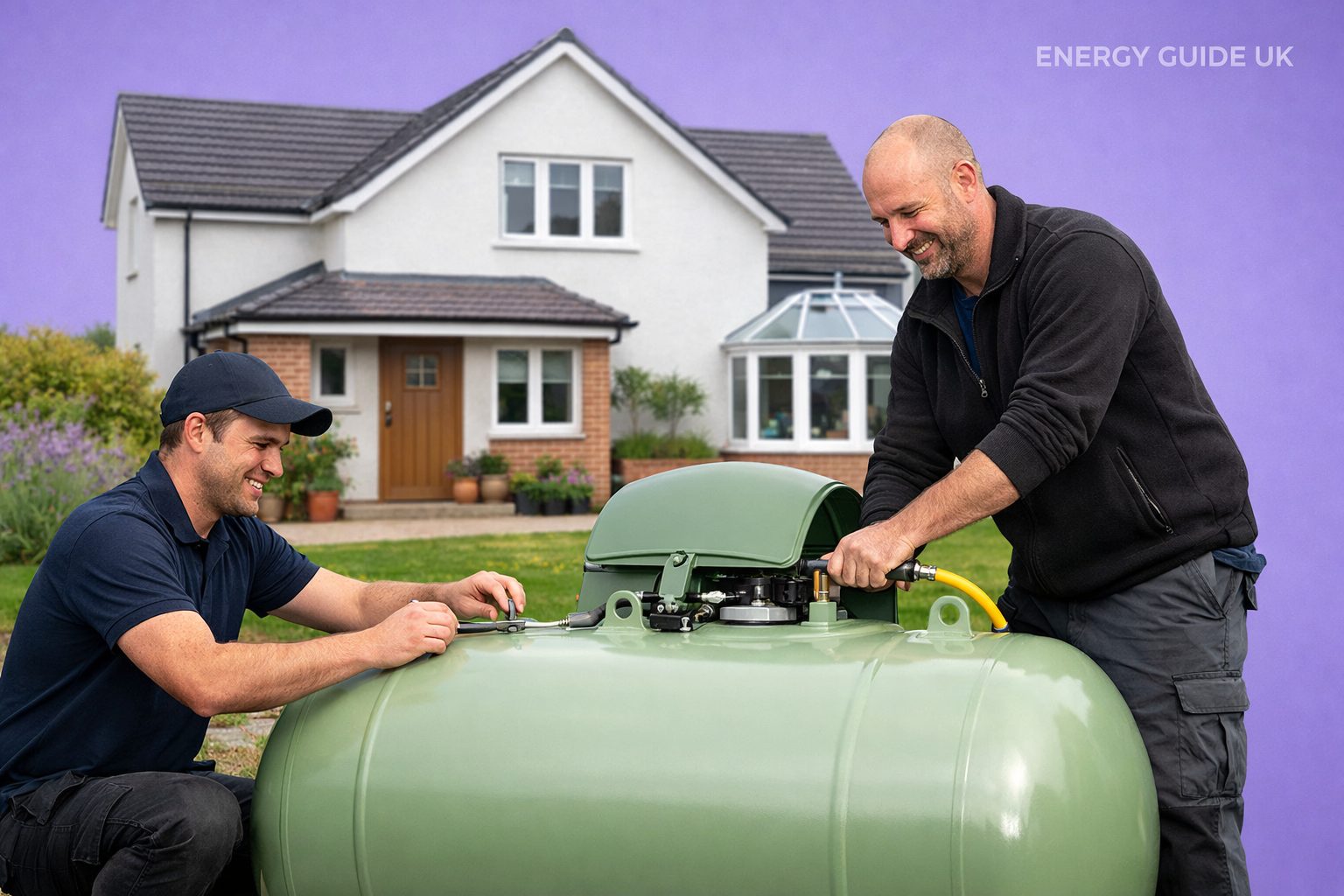
Unlike mains gas, LPG must be stored on your property in a dedicated tank. This is a core part of the total system cost and ongoing running expenses. Most domestic LPG customers in Great Britain obtain fuel through a supplier who installs and maintains the storage tank under a supply agreement.
There are two main options: renting a tank from a supplier or buying one outright.
LPG Tank Rental Cost
Renting is the most common option in the UK.
Typical rental costs:
- £60 to £120 per year for an above-ground tank
- £100 to £250 per year for an underground tank
Rental usually includes:
- Tank installation
- Safety inspections
- Maintenance
Major UK LPG suppliers such as Calor and Flogas include these services within the annual fee. Renting an LPG tank reduces upfront cost but ties you to a fuel supplier contract, usually lasting at least two years.
LPG Tank Purchase Cost
Buying your own tank removes annual rental fees but requires a higher initial payment.
Typical purchase costs:
- Above ground tank: £800 to £1,500
- Underground tank: £1,500 to £3,000
Underground tanks cost more due to excavation and installation work. Many homeowners choose this option for visual reasons and to save space.
LPG Tank Installation Cost
If installation is not included in the supplier agreement, costs typically range from:
- £500 to £1,500 for above-ground tanks
- £1,500 to £3,000 for underground tanks
Installation includes:
- Ground preparation
- Pipework connection
- Safety testing
Tank placement must follow UK safety rules set by the Health and Safety Executive, including minimum distances from buildings and boundaries.
LPG Tank Refill Costs
Fuel is one of the biggest ongoing expenses. The Department for Energy Security and Net Zero publishes UK fuel price data showing LPG prices fluctuate depending on global energy markets and domestic demand.
Typical refill costs:
- LPG price per litre: 57p to 90p
- Typical tank refill: £300 to £800
- Annual fuel cost: £800 to £2,000 depending on usage
Homes with higher heating demand will spend more, particularly during the winter months. Tank costs form a major part of the overall investment and influence long-term affordability.
Choosing the Right Option
Consider space, aesthetics, budget, and usage. Above-ground rental is most common and cost-effective for standard homes. For flood-prone or clay-heavy soil, avoid below-ground. Suppliers often offer free installation with contracts. Always compare quotes from different installers for the best deals and use certified installers to ensure compliance and warranty eligibility.
Checklist:
- Assess garden space and soil type
- Check planning/safety distances
- Compare supplier quotes (rental vs. own)
- Confirm Gas Safe/OFTEC certification
LPG Boiler Running Costs UK (2026)
Running costs are one of the most important factors when deciding whether LPG is the right heating choice. Annual costs depend on fuel prices, property size, insulation quality, and how much heating and hot water your household uses.
Average LPG Price Per kWh UK
Government conversion data shows:
- LPG price per litre: 57p to 90p
- LPG energy content: 6.9 kWh per litre
- Average cost per kWh: 9p to 13p
This compares with typical mains gas costs of around 5.93p per kWh based on UK energy price cap levels published by Ofgem.
Average Annual LPG Heating Costs by Property Size
Using typical UK household energy consumption figures:
| Property Size | Annual LPG Usage | Estimated Annual Cost |
| Small house or flat | 8,000 to 12,000 kWh | £700 to £1,200 |
| Medium house (3 bedroom) | 12,000 to 18,000 kWh | £1,000 to £1,800 |
| Large house (4 to 5 bedrooms) | 18,000 to 25,000 kWh | £1,500 to £2,800 |
These estimates assume a modern condensing LPG boiler operating at around 90% efficiency, based on manufacturer specifications from Worcester Bosch and Ideal Boilers.
Monthly LPG Heating Cost Example
Typical monthly costs:
- Summer: £30 to £60
- Spring and autumn: £60 to £120
- Winter: £150 to £300
Winter accounts for the majority of annual heating spend.
Factors That Affect Running Costs
Several factors influence how much you will pay:
Property Insulation
Well-insulated homes use less fuel.
Boiler Efficiency
Modern condensing boilers waste less heat.
Home Size
Larger homes require more energy.
Fuel Price Changes
LPG prices vary based on wholesale energy markets.
Is LPG Expensive to Run Compared to Other Heating?
UK Parliament briefings show that LPG typically costs more per unit than mains gas but remains competitive with heating oil and is significantly cheaper than direct electric heating. This makes LPG a practical and cost-effective option for homes without access to the gas grid.
Best LPG Boilers in the UK in 2026
When selecting an LPG boiler, reliability, efficiency, warranty length, and real-world performance are key priorities, especially for off-grid or rural homes where breakdowns can be costly and inconvenient. Modern LPG boilers are typically converted versions of natural gas models (using an LPG kit or automatic adjustment in many cases), so top brands for gas boilers often excel in LPG applications too.
Worcester Bosch Greenstar 4000 LPG
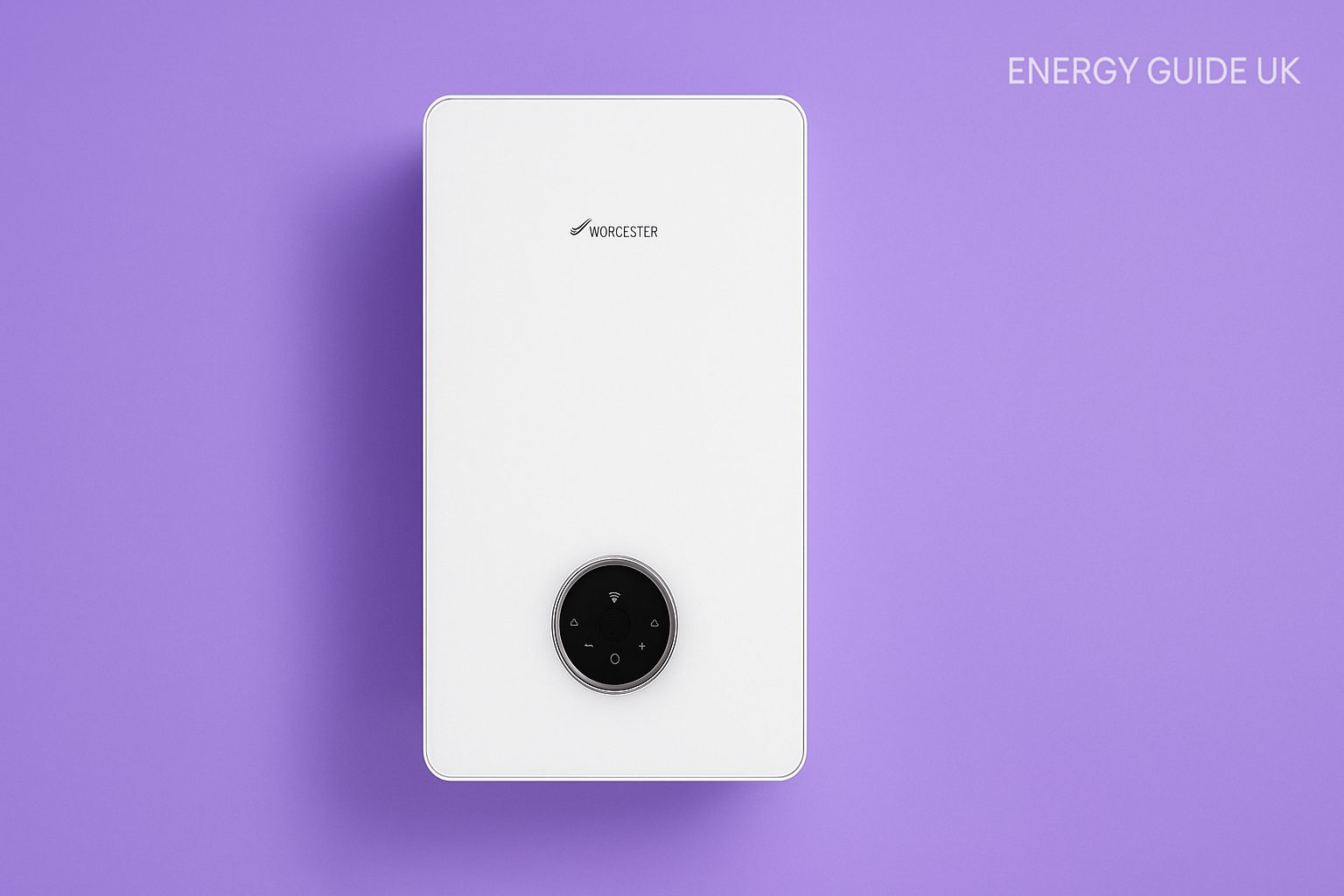
- Output range: 25–40 kW
- Efficiency: Up to 94% (ErP)
- Typical price (unit only): £900–£1,400
- Warranty: Up to 10 years (registered)
The Greenstar 4000 LPG is a strong all-rounder for rural homes. With high efficiency and a robust service network across the UK, it handles central heating and hot water reliably. Its compact size suits kitchen cupboards or airing cupboards, and the controls are straightforward for most homeowners. Warranty support and parts availability are good, making it a solid investment for mid-range budgets without compromising performance.
Pros
- Excellent efficiency
- Wide output range for many home sizes
- Strong UK support network
Cons
- Premium price relative to basic models
- Larger outputs cost more
Vaillant ecoTEC Plus LPG
- Output range: 25–38 kW
- Efficiency: Up to 94% (ErP)
- Typical price (unit only): £1,000–£1,600
- Warranty: Up to 10 years (registered)
Vaillant’s ecoTEC Plus LPG combines quiet operation with precise temperature control. Its modulation range allows efficient performance from mild conditions to peak winter demand. The display and control interface are intuitive, and system diagnostics help when servicing. Efficiency sits at the top of its class, and warranty coverage matches other premium offerings. This boiler appeals to homeowners who value smooth performance and long-term reliability.
Pros
- Quiet and efficient operation
- Intuitive controls
- Trusted European engineering
Cons
- Slightly higher upfront cost
- Fewer local installers in some rural areas
Ideal Logic Max LPG
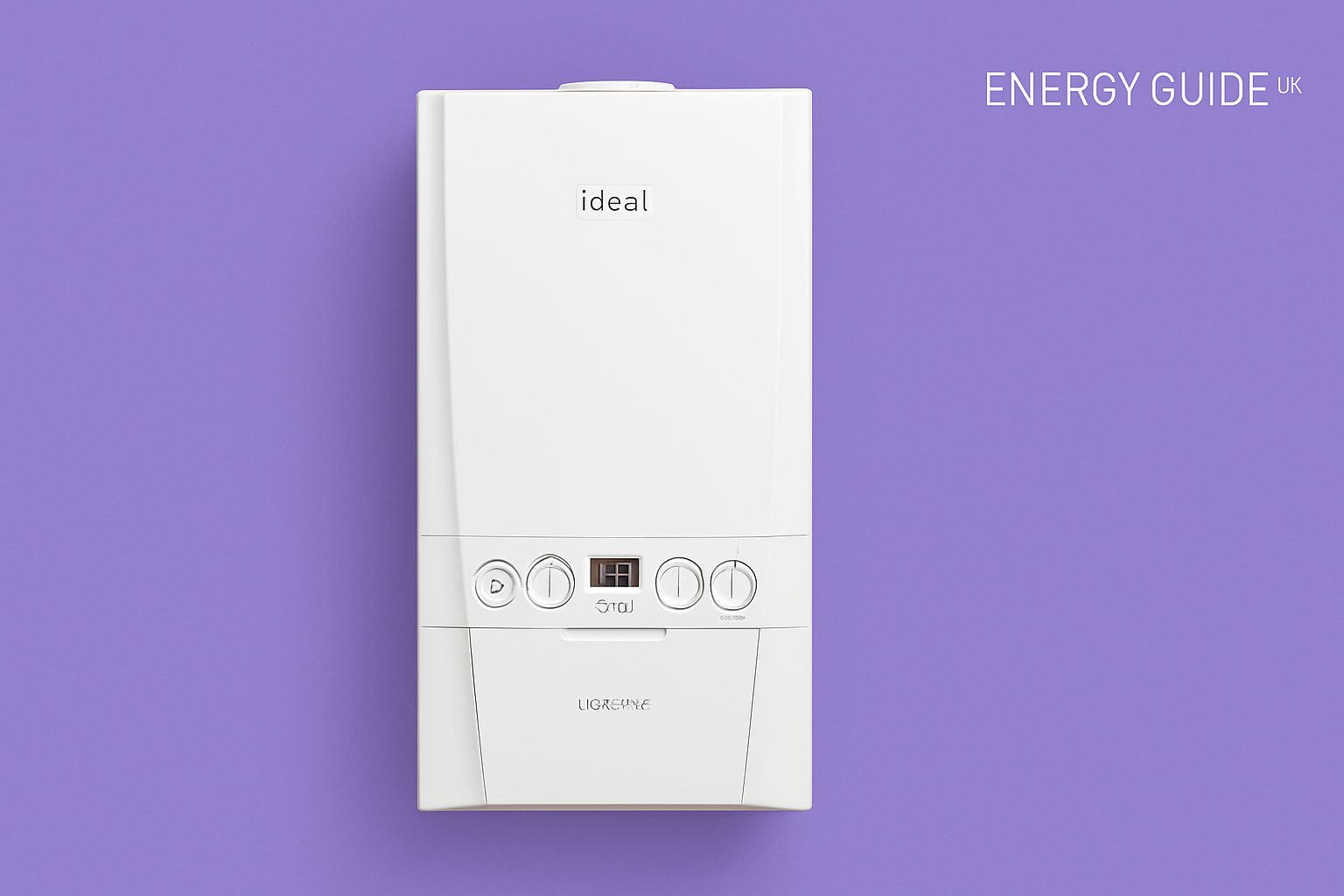
- Output range: 24–35 kW
- Efficiency: Around 93% (ErP)
- Typical price (unit only): £800–£1,200
- Warranty: Up to 10 years (registered)
The Logic Max LPG is a cost-effective choice that doesn’t sacrifice core performance. Its straightforward design and reliable heat output make it easy to install and maintain. Efficiency is solid, and the boiler works well in small to medium properties. Ideal’s warranty and parts availability are competitive, and it delivers strong value without luxury bells and whistles. This model suits homeowners focused on dependable heating at a sensible price.
Pros
- Strong value for money
- Reliable performance
- Widely available parts
Cons
- Slightly lower efficiency than premium rivals
- Fewer advanced features
Viessmann Vitodens 100-W LPG
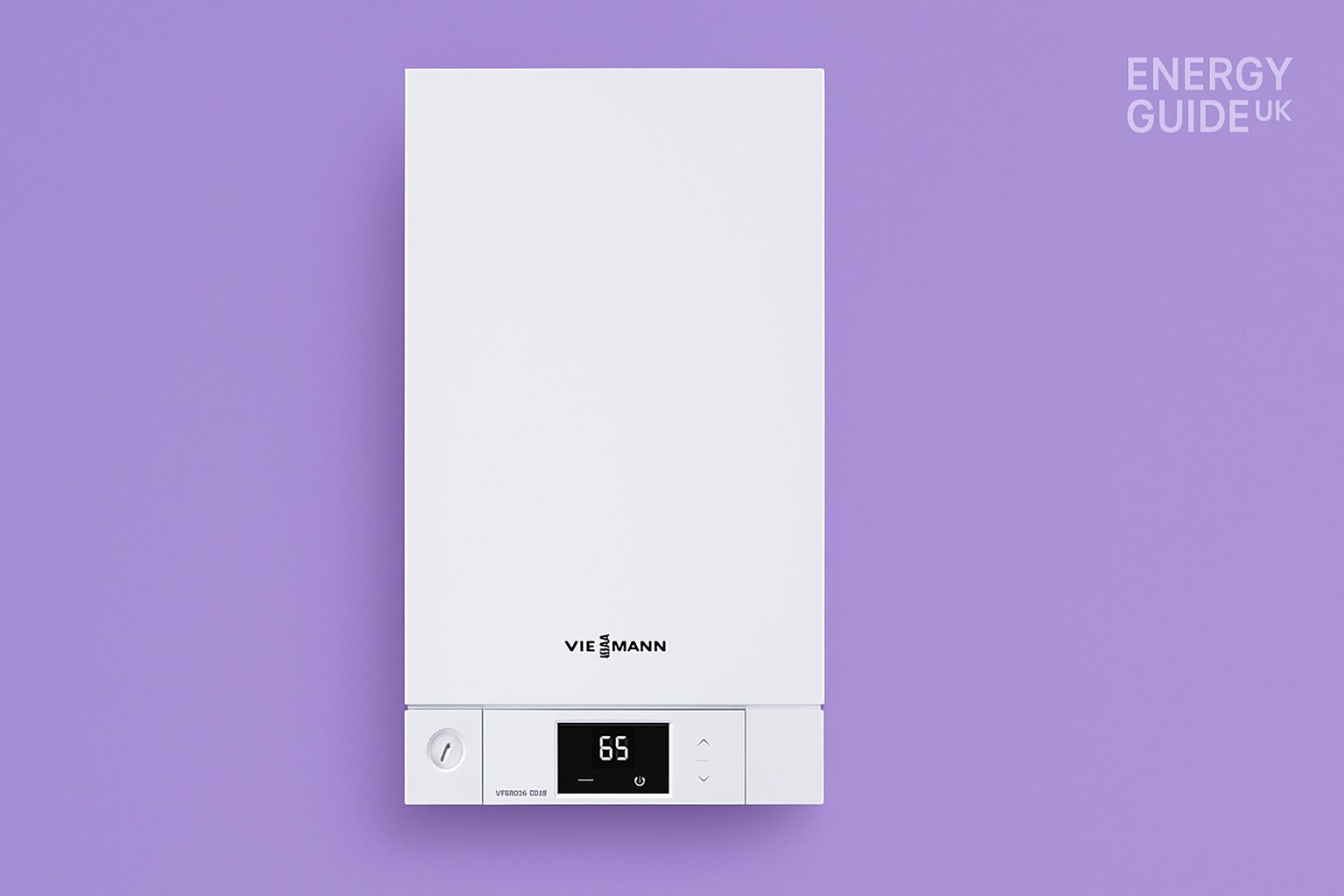
- Output range: 25–35 kW
- Efficiency: Up to 94% (ErP)
- Typical price (unit only): £900–£1,400
- Warranty: Up to 12 years (registered)
Viessmann’s Vitodens 100-W LPG blends German engineering with reliable performance. Its stainless-steel heat exchanger and precise modulation support efficiency and longevity. The unit aims for quiet efficiency and easy maintenance, and long warranties add homeowner peace of mind. Its interface and diagnostics support installers, reducing service times. This model suits homeowners who prioritise build quality and long service life.
Pros
- Long warranty option
- High-quality heat exchanger
- Strong efficiency
Cons
- Premium spend early on
- Slightly more complex controls
Baxi 800 LPG
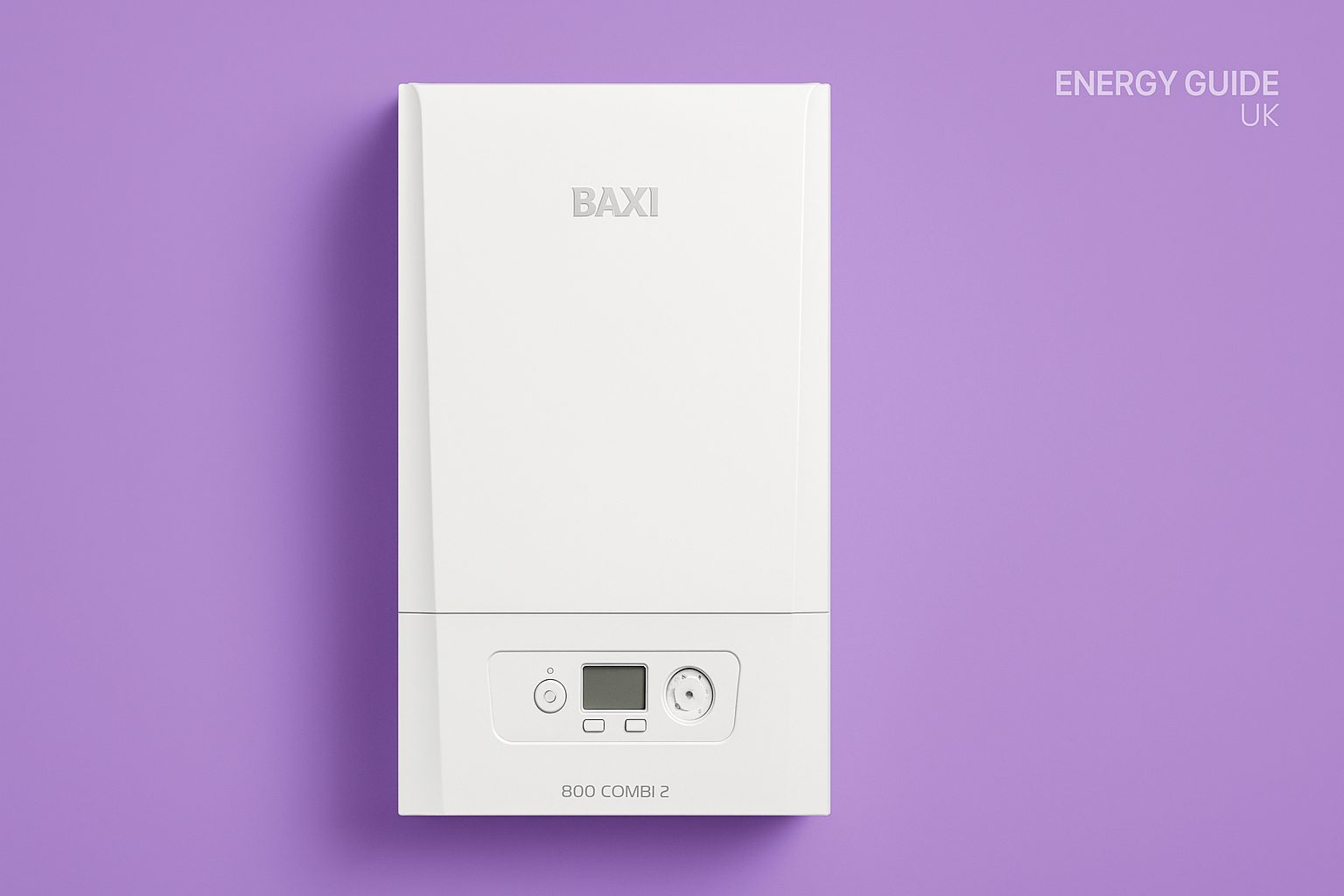
- Output range: 24–32 kW
- Efficiency: Around 93% (ErP)
- Typical price (unit only): £700–£1,100
- Warranty: Up to 10 years (registered)
The Baxi 800 LPG is a straightforward, budget-friendly boiler that covers basic central heating needs without excess. Its compact footprint and easy installer familiarity make it a common choice for small and medium homes. While not as feature-rich as some rivals, it offers dependable service and good value. Warranty terms are competitive, and parts are relatively easy to source.
Pros
- Lower upfront cost
- Easy to install and maintain
- Good value for smaller homes
Cons
- Fewer advanced features
- Slightly lower top output
LPG Boilers Installation Process
Installing an LPG boiler in the UK requires professional expertise to ensure safety, efficiency, and compliance with current regulations. The process typically takes 2–5 days for a full LPG setup, including the tank if new. It’s longer than a standard mains gas replacement due to tank placement, pipework, and safety checks.
Straightforward boiler swaps (existing LPG system) can be 1–2 days, while conversions from oil/electric or new tank installs add time for groundwork and coordination.
1. Initial Site Survey and Quotation (1–2 hours, pre-install day)
A Gas Safe engineer visits to assess your home, measuring heat loss, checking existing pipework/radiators, evaluating space for the boiler and tank, and recommending the right model/type. They’ll discuss costs, timelines, and any upgrades (e.g., insulation for better efficiency).
2. Preparation and Permissions (pre-install or Day 1)
Check Building Regulations compliance (e.g., efficiency standards for new boilers must be condensing A-rated). For tanks, confirm separation distances (e.g., 3m from buildings/boundaries/ignition sources per HSE). Planning permission is rarely needed for domestic tanks under 3,500 litres if sited correctly (permitted development), but consult your local council if visible or in sensitive areas.
3. Tank Installation (if new or replacement) (1–2 days)
The supplier/engineer installs the bulk tank (above- or below-ground) on a concrete base, with pipework to the boiler location. Includes safety fittings, telemetry for auto-refills, and impact protection. Groundworks (excavation for underground) add time/cost.
4. Removal of Old System (Day 1–2)
Drain and disconnect old boiler/heating system; remove if replacing. Flush radiators/pipes to clear sludge for optimal new boiler performance.
5. New Boiler Installation (1–2 days)
Mount the boiler, connect to water/gas (LPG) supply, fit flue (condensing models need proper termination), wire controls/thermostats, and integrate smart features if applicable.
6. Testing and Commissioning (final hours)
Refill system, pressure test, check for leaks, balance radiators, and run efficiency tests. The engineer demonstrates operation and provides a user manual.
7. Certification and Handover
The installer will issue you with a Gas Safe certificate (Building Regulations compliance notification if required, often self-certified by the installer). They’ll also register the boiler warranty with the manufacturer.
Who offers the best boiler deals in the UK? Check out our review of online boiler installation companies, boiler brands, and the best UK boilers that topped our list concerning new boilers in the current year.
LPG Boilers vs Oil, Electric, and Heat Pump Systems
For the UK’s off-grid or rural households (where mains gas isn’t available), choosing between LPG boilers, oil boilers, direct electric heating (e.g., storage heaters or radiators), and heat pumps involves weighing upfront costs, running costs, efficiency, emissions, maintenance, and long-term suitability amid 2026’s energy landscape. LPG offers reliable, gas-like performance without grid access, but alternatives like heat pumps gain traction with grants and efficiency advantages.
Running Costs & Efficiency
- LPG (9.1p/kWh fuel) is pricier per unit than oil (5.9–8p/kWh) but cleaner and often comparable or slightly higher in annual bills (£700–£1,200 vs. oil’s £700–£1,100).
- Direct electric is the most expensive (£1,700+), as it uses full-price electricity without efficiency multipliers.
- Heat pumps shine here: despite high electricity rates (~27.7p/kWh), their 250–400% efficiency (SCOP/COP) delivers heat at effective 8–11p/kWh, making them cheaper than LPG/oil/electric in many cases, especially with good insulation and smart tariffs (off-peak rates can drop to 15–20p/kWh).
Upfront Costs & Installation
LPG and oil are cheaper initially, suiting budget-conscious rural upgrades. Heat pumps cost more, but the Boiler Upgrade Scheme (BUS) £7,500 grant significantly reduces net outlay, with payback often 6–14 years vs. oil/LPG. Electric is the cheapest to install but least cost-effective long-term.
Emissions & Environment
LPG (0.240 kgCO₂e/kWh) edges oil (0.298) for lower carbon, but both are fossil fuels facing future restrictions (no new fossil boilers post-2035 in new-builds, pressure on existing). Heat pumps cut emissions dramatically (up to 80% vs. oil/LPG with a cleaner grid), aligning with net zero. Direct electric depends on grid mix but is cleaner than oil.
Practicality & Maintenance
LPG/oil need tanks/refills (logistics in rural areas); heat pumps require outdoor space and good insulation (may need radiator upgrades for lower flow temps). Electric is the simplest/no fuel delivery. Maintenance is lowest for heat pumps/electric.
2026 Considerations
With Ofgem cap stable (~£1,758 typical dual-fuel bill), heat pumps are increasingly competitive vs. oil/LPG/direct electric (especially older systems), often saving £450–£1,000/year. LPG remains viable for reliability but is less future-proof than heat pumps (eligible for BUS grants up to £7,500 for replacing fossil fuels).
Comparison Table
| System | Installed Cost | Running Cost (Annual) | Efficiency | Best For |
| LPG Boiler | £1,800–£4,500 | £700–£2,800 | 92–94% | Off-grid homes, rural properties |
| Oil Boiler | £2,500–£5,500 | £1,000–£3,000 | 88–92% | Large rural homes |
| Electric Heating | £500–£2,000 | £1,200–£3,500 | 100% | Small homes, low usage |
| Heat Pump | £8,000–£18,000 | £400–£1,000 | 300–500% | Well-insulated homes, eco-conscious |
For off-grid homes, LPG provides dependable, familiar heating without major changes. Still, heat pumps offer superior long-term savings, lower emissions, and grant support, especially if you’re upgrading from oil, old LPG, or electric. Always get a professional heat loss survey and quotes from MCS-certified installers to confirm suitability.
LPG Boilers Pros, Cons, and Savings Tips
Understanding the benefits and limitations of LPG boilers will help you make an informed decision before committing to a system.
Pros
- Reliable for off-grid homes: No dependence on mains gas infrastructure; ideal for rural areas with consistent supply via tank refills.
- High efficiency in modern models: Condensing LPG boilers achieve 92–94% efficiency, converting most fuel into usable heat and reducing waste compared to older systems.
- Lower emissions than oil: LPG produces around 0.240 kgCO₂e/kWh versus oil’s 0.298 kgCO₂e/kWh, making it a cleaner fossil fuel option with up to 20% less carbon output.
- Cheaper upfront than oil boilers: Unit prices often start lower (£500+ vs. oil’s higher baselines), with easier installation in many cases.
- Comparable to gas in operation: Provides instant heating/hot water like mains gas, with smart controls available for better management.
Cons
- Higher running costs than mains gas: LPG is more expensive than natural gas, leading to higher annual bills than gas equivalents for typical usage.
- Fuel delivery and logistics: Relies on road deliveries with risk of running low if not monitored; tank refills needed periodically (though telemetry helps).
- Tank requirements: Visible above-ground tanks can be unsightly; below-ground options cost more; rental fees (£60–£130/year) or ownership add ongoing considerations.
- Fossil fuel limitations: Still produces CO₂ and isn’t low-carbon; future net zero policies (post-2035 phase-outs for new fossil boilers) may push alternatives like heat pumps (eligible for £7,500 Boiler Upgrade Scheme grants).
- Potential supply risks: Delivery delays possible in bad weather; not as “always-on” as mains gas.
Savings Tips
Upgrading to a modern A-rated LPG boiler from an old, inefficient one can save you hundreds of pounds annually through better fuel use. Practical steps include:
- Annual servicing: Keeps efficiency high, prevents breakdowns, and maintains warranty/safety.
- Lower flow temperature: Set to 55–60°C (from the default 70–80°C) for condensing mode gains and get up to 9% savings on fuel.
- Smart controls and thermostats: Add programmable/smart thermostats to heat only when needed; turning down by 1°C saves around £80–£100/year.
- Insulation upgrades: Loft, cavity wall, and draught-proofing boost overall efficiency, amplifying boiler savings.
- Bulk fuel buying: Join co-ops or order in off-peak seasons for discounts; use supplier telemetry for auto-refills to avoid emergency premiums.
- Monitor usage: Track consumption via smart meters/apps and combine with renewables (e.g., solar PV) if feasible to offset electricity elements.
Are LPG Boiler Costs Worth It?
LPG makes financial and practical sense in these situations:
- Your property is off the mains gas network
- You want a lower installation cost than a heat pump
- Your home already has radiators and pipework
- You are replacing an oil boiler and want cleaner combustion
Modern LPG boilers reach efficiency levels above 90%, matching mains gas systems.
When LPG May Not Be the Best Choice
Other systems may suit certain homes better:
- Heat pumps suit highly insulated properties
- Direct electric heating suits very small homes
- Mains gas remains cheaper if available
Final Thoughts on LPG Boiler Costs and the Best LPG Boilers UK
LPG boilers remain a practical and widely used heating option for homes beyond the mains gas network. In 2026, the typical LPG boiler costs between £500 and £2,600 for the unit alone, with total installed costs ranging from £1,800 to £4,500 depending on property size, boiler output, and installation complexity. Tank costs, fuel usage, and servicing add to the overall lifetime cost, with annual running costs usually falling between £700 and £2,800.
Despite higher fuel prices than mains gas, LPG offers several advantages. Installation is far less expensive than heat pumps, existing radiators usually remain compatible, and modern condensing boilers achieve efficiency levels above 90%.
For off-grid homes, LPG strikes a balance between upfront affordability, reliable performance, and manageable running costs. Choosing the right boiler size, maintaining it annually, and monitoring fuel prices can help keep costs under control and extend the system’s lifespan.
FAQs on LPG Boiler Costs
How Much Does It Cost To Install An LPG Boiler In The UK?
The total cost to install an LPG boiler in the UK typically ranges from £1,800 to £4,500, including the boiler and labour. Smaller homes with a simple replacement fall at the lower end, while larger properties or conversions from oil can cost more.
Are LPG Boilers Expensive To Run?
LPG boilers cost more to run than mains gas but less than direct electric heating. Annual running costs depend on property size and insulation. LPG prices are higher per kWh than gas, though efficient modern boilers help reduce overall fuel consumption.
Is LPG Being Phased Out For Home Heating?
LPG is not currently being phased out for existing homes. It remains an approved heating fuel, especially for off-grid properties. The UK government supports reducing carbon emissions over time, but LPG continues to play a role in rural heating, including newer, lower-carbon options such as bioLPG.
What Is The Life Expectancy Of An LPG Boiler?
Most LPG boilers last 10 to 15 years, similar to mains gas boilers. Lifespan depends on installation quality, servicing frequency, and system condition. Manufacturers such as Worcester Bosch recommend annual servicing to maintain efficiency and extend operational life.
Is LPG Worth It In The UK?
LPG is worth it for homes without access to the gas grid, particularly in rural areas. It offers high efficiency, lower installation costs than heat pumps, and compatibility with existing radiators. LPG remains one of the most practical heating solutions for off-grid households.
Is LPG Cheaper Than Natural Gas In The UK?
LPG is more expensive than natural gas per unit of energy. Mains gas typically costs less per kWh. However, LPG remains necessary for properties without a gas connection and can still provide efficient and reliable heating when used with a modern condensing boiler.
Sources and References
- UK Parliament – Households off the gas grid and prices for alternative fuels
- Liquid Gas UK – The Industry’s Journey to 2050
- Health and Safety Executive – Gas Safe Register
- Ofgem – Energy price cap explained