

Understanding the boiler installation process, including costs, timescales, and what to expect, can be useful if you want to replace or upgrade your boiler.
Your boiler is one of the most essential appliances in your home, responsible for heating and hot water, which account for over 50% of annual energy bills. Installing a new, efficient boiler can significantly reduce energy expenses.
For most households, replacing a boiler is not something you do often, which is why the process can feel confusing at first. Costs vary widely, installation times depend on the type of system you choose, and quotes can include far more than the price of the boiler itself.
Knowing what affects the price, what work is involved, and what should be included in a proper quote makes it much easier to avoid surprises. A new boiler is one of the biggest energy decisions you will make for your home. Evaluating the boiler installation process in the UK helps you determine how much you are likely to pay, how long the fitting usually takes, and what to expect before, during, and after the work.
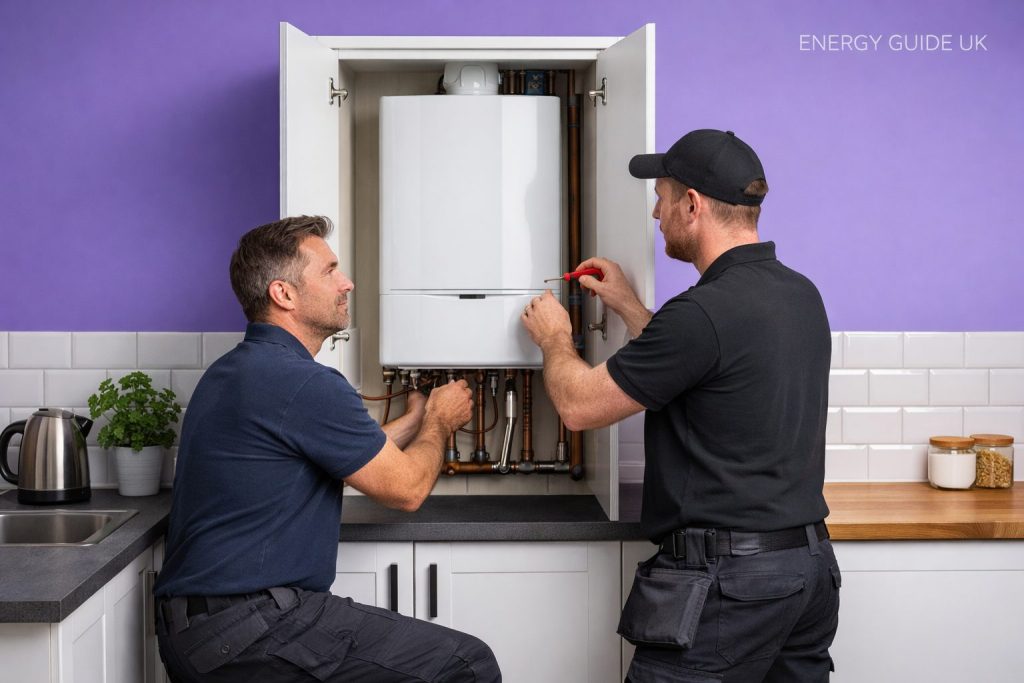
Key Takeaways on Boiler Installation in the UK 2026:
- A new boiler installation in the UK usually costs between £1,800 and £6,500, depending on the boiler type and the work required.
- A straightforward replacement in the same location often takes one day, while conversions or full system upgrades can take several days.
- Combi boilers are the most common choice in UK homes, though system and regular boilers may suit larger properties.
- Installation costs increase if the boiler is moved, the pipework needs upgrading, or the system requires cleaning or new controls.
- Always get a written quote that includes the boiler model, labour, system cleaning, controls, certification, and VAT.
- Gas boilers must be installed by a Gas Safe registered engineer, and the work must be registered under Building Regulations.
- Replacing an old boiler with a modern condensing model can improve efficiency and help reduce heating bills.
- Heat pumps cost more to install than boilers, but grants may be available for eligible homes in England and Wales.
- You should receive a compliance certificate, a Benchmark logbook, and warranty details after installation.
- Comparing several quotes and choosing a qualified installer helps avoid problems and unexpected costs.
Typical Boiler Installation Costs in 2026
The cost of installing a new boiler in the UK depends on your current heating setup, the type of boiler you choose, and the amount of work the installer needs to carry out. Prices can vary widely between homes, which is why quotes often differ even for similar properties. According to the Energy Saving Trust, the average cost of replacing an old gas boiler with a modern A-rated model is around £3,700, though the final price can vary depending on the job.
A simple replacement usually costs less than a full system change. If the new boiler goes in the same location and uses the same pipework, labour time will be short, and you’ll need fewer parts. Costs rise when the installation involves changing boiler type, upgrading controls, or modifying the heating system. Larger homes often need higher-output boilers, which can increase both equipment and fitting costs.
Typical Boiler Installation Prices in 2026:
| Installation type | Typical total cost | Notes |
| Combi boiler replacement | £1,800 – £3,500 | Same location swap |
| System boiler replacement | £2,200 – £4,500 | May include cylinder work |
| Regular boiler replacement | £2,500 – £5,000 | Tank or controls may need changes |
| Convert to combi boiler | £3,500 – £6,500+ | Pipework and system changes |
| Move boiler location | +£500 – £1,500 | Depends on distance and access |
| Full heating system upgrade | £4,000 – £7,000+ | Common in older homes |
Several extra items can increase the final cost. Installers often recommend fitting thermostatic radiator valves, magnetic filters, or modern heating controls when replacing a boiler. These improvements help the system run more efficiently and protect the new boiler from damage over time.
Always ask for a written quote that lists the boiler model, labour, materials, and any additional work. Clear pricing makes it easier to compare installers and avoids unexpected charges later.
Check out our guide on options available if you need a new boiler but can’t afford it, as well as boilers on finance and government boiler grants here.
What Affects the Cost of Boiler Installation?
Several factors influence the final cost of installing a new boiler. Two homes can need very different amounts of work, even if they use the same type of boiler. Installers price each job based on the equipment required, the time needed, and the condition of the existing heating system.
Boiler Type
Combi, system, and regular boilers have different installation requirements. Combi boilers often cost less to fit in smaller homes because they do not use a separate hot water cylinder. System and regular boilers can take longer to install, especially if tanks, cylinders, or controls need replacing.
Boiler Size and Output
Boilers come in different output ratings measured in kilowatts (kW). Larger homes with more radiators or bathrooms require higher-output models, which cost more to buy and install. Choosing the correct size matters, since an undersized boiler struggles to heat the home, and an oversized one wastes energy.
Changing Boiler Type
Switching from a regular or system boiler to a combi usually increases the price.
The installer may need to remove tanks, reroute pipework, and upgrade controls. These changes add labour time and extra materials.
Moving the Boiler
Relocating the boiler to another room raises installation costs. Longer pipe runs, new flue positions, and changes to the gas supply or condensate pipe all add work. Moving a boiler from a kitchen to a loft or garage often costs more than a replacement in the same room.
Pipework Condition
Older heating systems sometimes need new pipework. Installers may recommend upgrades if pipes show corrosion, poor flow, or incorrect sizing. Replacing sections of pipe adds time but helps the new boiler run safely and efficiently.
System Cleaning and Protection
Most installers flush the system before fitting a new boiler. Cleaning removes sludge and debris, which could damage the new unit. Many engineers also fit a magnetic filter to protect the heat exchanger and extend the boiler’s lifespan.
Controls and Thermostats
Modern controls can increase the installation price. Smart thermostats, programmable timers, and zoning controls improve efficiency but add to the total cost. Many homeowners choose to upgrade controls when replacing a boiler. Figures from the Energy Saving Trust show that adding a programmer, thermostat, and TRVs to all radiators costs around £550. Adding TRVs alone costs around £410.
Flue and Ventilation Work
The flue must meet current safety rules. If the old flue does not comply with modern standards, the installer may need to fit a new one or change its position. Roof or wall access can also affect labour time.
Access and Property Layout
Difficult access can increase labour costs. Tight cupboards, loft installations, or homes with limited space often take longer to work in. Older properties may also need extra work to meet current regulations.
Understanding these factors makes it easier to compare quotes and see why prices differ between installers.
Check out our boiler cost calculator to understand the latest boiler deals and what is factored into a gas boiler replacement estimate.
Combi vs System vs Regular Boiler Installation — Which Should You Choose?
Choosing the right type of boiler is one of the most important decisions before installation. The best option depends on the size of your home, the number of bathrooms, and how much hot water you use each day. Installing the wrong type can lead to poor performance, higher running costs, or unnecessary installation work.
Combi Boilers
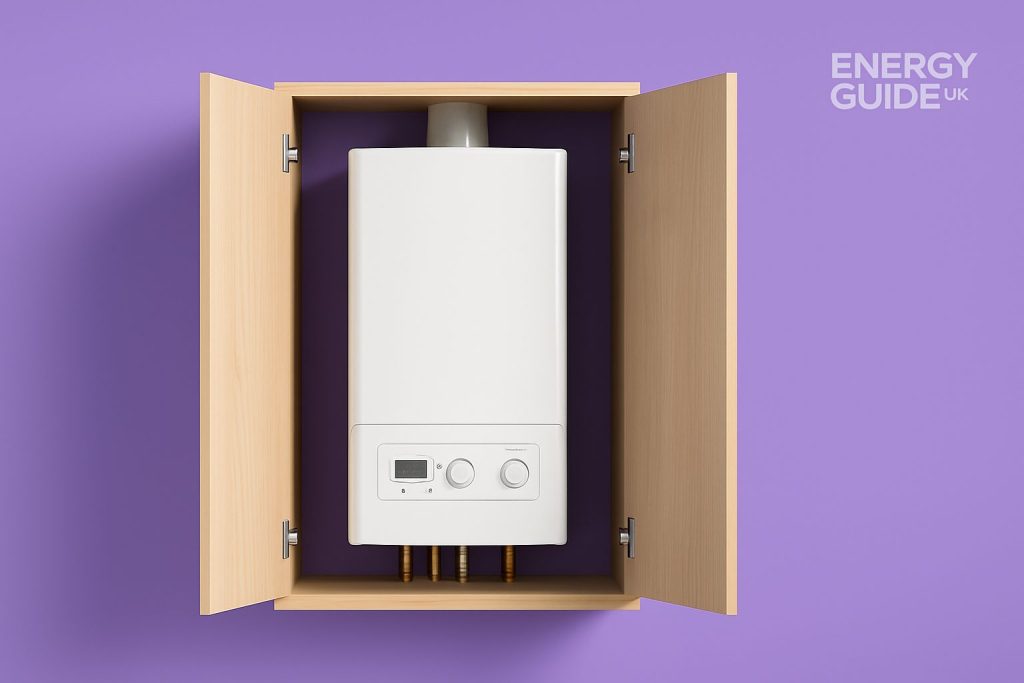
Combi boilers heat water directly from the mains and do not need a hot water cylinder or cold water tank. They suit smaller homes with one bathroom and limited space. Installation is often quicker when replacing an older combi in the same location, since the pipework already matches the system.
Combi boilers may struggle in larger homes where several taps or showers run simultaneously. In these cases, water pressure can drop if the boiler cannot keep up with demand.
System Boilers
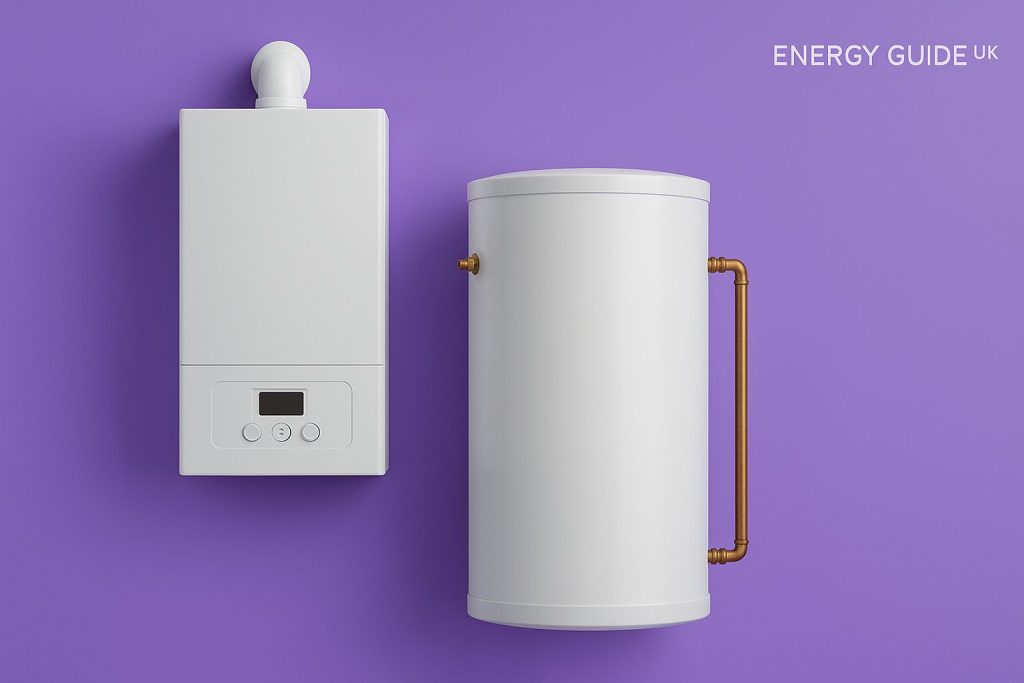
System boilers use a hot water cylinder but do not need a cold water tank in the loft.
They work well in medium- to large-sized homes with more than one bathroom, since the stored hot water allows several outlets to run simultaneously. Installation can take longer than a combi swap if the cylinder or controls need replacing.
Many modern homes use system boilers because they provide strong water flow without the need for loft tanks.
Regular Boilers
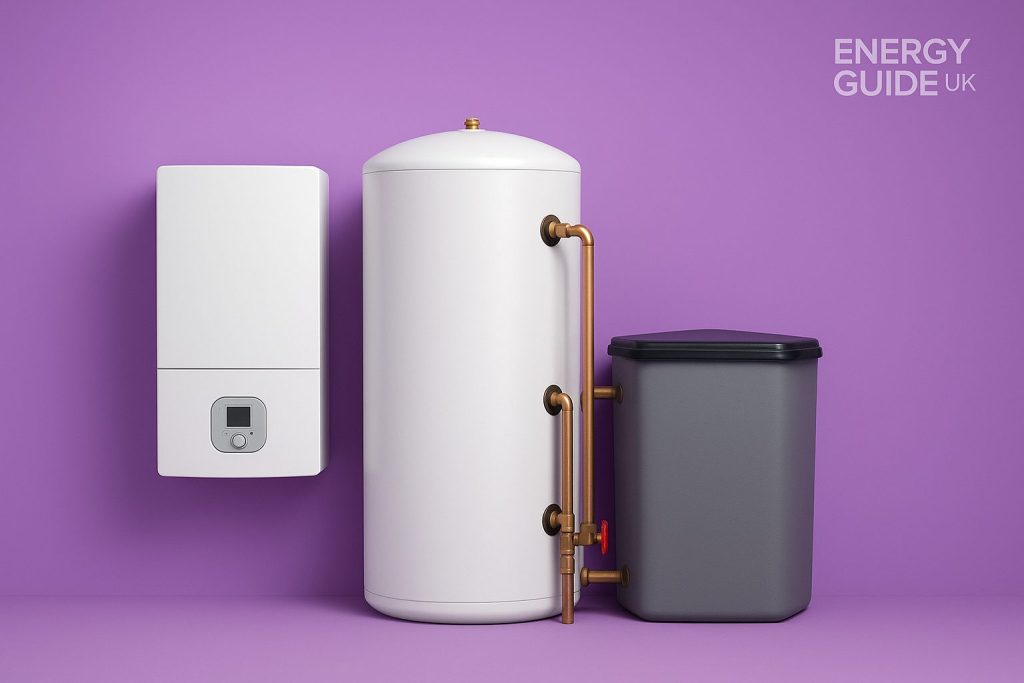
Regular boilers, sometimes called conventional or heat-only boilers, use both a hot water cylinder and a cold water storage tank. They often suit older properties where the existing heating system already uses tanks. Replacing a regular boiler with the same type can be straightforward, though converting to another system usually requires more work.
Homes with older pipework or low mains pressure sometimes keep a regular boiler because the stored water system can provide a steady flow.
Typical Boiler Size Guide
Installers choose the correct output based on the number of radiators, bathrooms, and the property’s size. The table below shows common starting points.
| Home size | Typical boiler output |
| 1–2 bedroom flat / small house | 24–28 kW |
| 3 bedroom house | 28–32 kW |
| 4 bedroom house | 32–35 kW |
| Large home / multiple bathrooms | 35–42 kW |
An installer should always confirm the correct size during a survey. Choosing the right output helps the boiler run efficiently and prevents unnecessary wear.
Step-by-Step Boiler Installation Process
Understanding what happens during installation helps you prepare your home and avoid delays on the day. The exact steps can vary between properties, though most boiler replacements follow the same order from survey to final testing.
Step 1 — Home Survey and Quote
An installer usually visits the property before giving a final price. They check the current boiler, pipework, radiators, flue position, and controls. The survey confirms the correct boiler size and shows whether extra work is needed.
Step 2 — Choosing the Boiler and Agreeing on the Work
Once the survey is complete, the installer confirms the boiler model and the work included in the quote. This should cover labour, materials, controls, filters, and any system cleaning. Agreeing on the full scope before the job starts helps avoid changes during installation.
Step 3 — Preparing the Heating System
Before fitting the new boiler, the engineer prepares the system. They may drain the heating circuit, isolate the gas supply, and remove panels or cupboards around the old boiler. In some homes, radiators or pipework need checking before work continues.
Step 4 — Removing the Old Boiler
The installer disconnects the old boiler and removes it first. This includes removing the flue, electrical connections, and pipework linked to the unit. The installer safely disposes of the old appliance once the system is empty.
Step 5 — Fitting the New Boiler
The engineer installs the new boiler in the agreed position. Mounting brackets, pipe connections, and electrical wiring are fitted before the unit is secured. If the boiler is moved to a new location, additional pipework may be added at this stage.
Step 6 — Installing the Flue and Safety Components
The flue carries exhaust gases outside the home and must comply with current safety regulations. The installer fits a new flue if the old one does not comply with modern standards. They may also fit safety valves, filters, or new controls during this step.
Step 7 — Cleaning and Protecting the System
Most installations include a system flush before the boiler starts. Cleaning removes sludge and debris, which could damage the heat exchanger. Many installers fit a magnetic filter to keep the system clean after installation.
Step 8 — Filling, Testing, and Commissioning
After installation, the engineer refills the system and checks for leaks. They test the heating, hot water, pressure levels, and controls. Commissioning confirms that the boiler runs safely and meets the manufacturer’s requirements.
Step 9 — Certification and Registration
The installer must register the new boiler with the relevant authority.
Gas boilers must be fitted by a Gas Safe engineer, and the work must be reported under Building Regulations. The homeowner should receive a certificate after the job is complete.
Step 10 — Handover and Instructions
Before leaving, the installer explains how to use the boiler and controls. You should receive the warranty details, the Benchmark logbook, and servicing instructions. Keep these documents safe to help with future repairs and warranty claims.
How Long Does Boiler Installation Take?
The installation time for a new boiler depends on the type of job, the condition of the existing system, and any necessary changes. A simple replacement can finish in one day, though more complex work often takes longer.
Installers usually give an estimated timescale after the home survey. The final duration may change if the engineer encounters old pipework, poor access, or additional work during installation.
The table below shows typical installation times for common jobs in the UK.
| Installation type | Typical time |
| Combi to combi swap (same location) | 1 day |
| System to system swap | 1–2 days |
| Regular to regular swap | 1–2 days |
| Convert to combi boiler | 2–3 days |
| Move boiler to new location | 1–2 days |
| Full system upgrade | 3–5 days |
A same-location replacement usually takes the least time because the gas supply, pipework, and flue are already in place. The engineer removes the old boiler and connects the new one using the same layout, which reduces labour.
Changing boiler type often takes longer. Converting to a combi may require removing tanks, altering pipe runs, and fitting new controls. These changes increase both installation time and cost.
Moving a boiler can add extra work if the new position needs longer pipes or a different flue route. Installers must follow safety rules for flue placement, which can affect how quickly the job finishes.
Full system upgrades take the longest. Older homes sometimes need pipework changes, radiator adjustments, or system cleaning before the new boiler can run safely.
These jobs may require more than one engineer and several days to complete. Your installer should confirm the expected timescale before work begins so you can plan heating and hot water during the installation.
What Should a Boiler Installation Quote Include?
Boiler quotes can look similar at first, though the work included can vary a lot between installers. A low price may not include important parts of the job, which can lead to extra charges later. Checking the details in writing makes it easier to compare quotes properly.
A clear quote should list the exact boiler model, the work being carried out, and every item included in the installation. If anything is missing, ask the installer to confirm it before agreeing to the job.
Boiler Make, Model, and Output
The quote should state the full boiler name and its output rating in kilowatts. This shows whether the boiler is suitable for your home and allows you to compare like-for-like prices between installers.
Labour and Boiler Installation Work
The quote should explain what work the installer will carry out. This may include removing the old boiler, fitting the new one, connecting pipework, installing the flue, and testing the system.
System Cleaning
Most manufacturers require the heating system to be cleaned before a new boiler runs. The quote should confirm whether a chemical flush or power flush is included. Cleaning helps protect the boiler from sludge damage.
Magnetic Filter
Many installers fit a magnetic filter during installation. This device collects debris from the heating system and helps extend the boiler’s lifespan. Some quotes include it as standard, while others charge extra.
Controls and Thermostat
Modern controls improve efficiency and help reduce heating costs. The quote should indicate whether a new thermostat, programmer, or smart control is included and whether installation is included in the price.
Flue and Pipework Changes
The installer should confirm if the flue needs replacing or moving. Pipework upgrades, new gas connections, or condensate pipe changes should appear in the quote if required.
Removal of the Old Boiler
The quote should state that the old boiler will be removed and disposed of safely. Some installers include this automatically, though others list it as an extra cost.
Certification and Registration
The installer must register the new boiler after installation. Gas boilers must be fitted by a Gas Safe engineer, and the work must be reported under Building Regulations. The quote should confirm that certification is included.
Warranty Details
The quote should show the boiler warranty length and any conditions. Some warranties only apply if the boiler is serviced every year, so check the requirements before agreeing to the work.
VAT and Total Price
The final quote should show the full price including VAT. Avoid estimates that only show part of the cost, since extra charges can appear later.
Comparing detailed quotes rather than headline prices makes it easier to choose the right installer and avoid problems after the work starts.
Check out our video on how to vet boiler brands/models in the UK:
New Boiler Installation vs Repair: Which Is the Better Option?
When a boiler starts to fail, many homeowners ask whether it is worth repairing or replacing it. The right choice depends on the boiler’s age, the repair cost, and the system’s reliability. A repair can cost less in the short term, though replacing the boiler may save money over time if faults keep returning.
When Repairing the Boiler Makes Sense
Repairing the boiler can be a better option if the unit is still fairly new. Most modern boilers last around 10 to 15 years when serviced regularly. If the boiler is under ten years old and the repair is minor, fixing the fault is often the cheaper choice.
Repairs may also make sense when the boiler is still under warranty. Many manufacturers cover parts and labour during the warranty period, which can reduce the cost of getting the system working again.
A repair is usually reasonable when the problem involves a single part, such as a valve, pump, or sensor. These faults can often be fixed quickly without changing the whole system.
When Replacing the Boiler is the Better Choice
Replacement becomes more practical as the boiler gets older. Older models lose efficiency over time and may struggle to heat the home properly. Parts can become harder to find, which increases repair costs and delays.
Frequent breakdowns are another sign that replacement may be the better option.
If the boiler needs repairs every year, the total cost can soon exceed the price of installing a new one.
High energy bills can also point to an inefficient boiler. Modern condensing boilers use less fuel than older models, which can reduce running costs and improve heating performance.
Replacement may be needed if the boiler no longer meets current safety or efficiency standards. Installers sometimes recommend a new unit when the existing system cannot be upgraded safely.
A Simple Rule To Help You Decide
If the repair cost is high and the boiler is over ten years old, replacement often makes more sense. If the boiler is newer and the repair is small, fixing it is usually the better choice.
Getting a professional inspection before deciding can help you avoid spending money on repairs that only delay a full replacement.
Got a common boiler problem? Check out our quick fix guide for boiler lockout, boiler ignition faults, boiler PCB faults, faulty diverter valves, and boiler timer issues.
Heat Pump vs Gas Boiler Installation: Should You Replace or Upgrade?
When replacing a boiler, some homeowners consider installing a heat pump instead of fitting another gas system. Both options can heat your home effectively, though the cost, installation work, and running costs can differ. The best choice often depends on the type of home, the condition of the heating system, and the extent of work needed to improve insulation.
Gas boilers remain the most common heating system in the UK. They usually cost less to install and work with existing radiators and pipework. Replacing an old boiler with a modern condensing model often requires fewer changes to the heating system, which keeps installation time shorter.
Heat pumps work differently. They use electricity to take heat from the air or ground outside the home and transfer it indoors. This makes them very efficient, since they can produce several units of heat for each unit of electricity used.
Typical Installation Costs
Heat pumps usually cost more to install than boilers, mainly because the system may need upgrades before fitting. Government data shows you can expect to pay around £6,500 to £11,500 for an air source heat pump, depending on the work required. Ground-source systems can cost about £29,000 or more, depending on the work required.
| Heating system | Typical installed cost | Notes |
| New gas boiler | £1,800 – £4,500 | Works with existing system |
| Larger or complex boiler install | £3,500 – £6,500+ | Pipework or system changes |
| Air source heat pump | ~£11,000 | Most common heat pump type |
| Ground source heat pump | £29,000+ | Higher install cost |
Installation costs for heat pumps often increase if the home needs larger radiators, better insulation, or changes to the hot water system. Older properties may need more work before a heat pump can run efficiently.
Running Costs and Efficiency
Heat pumps can be very efficient, though running costs depend on the system being replaced. They often cost less to run than oil, LPG, or electric heating, but savings compared with a modern gas boiler may be smaller since electricity costs more per unit than gas.
Heat pumps work best in well-insulated homes where heat loss is low. Poor insulation can make the system work harder, increasing electricity use and reducing efficiency.
When A Boiler Replacement Makes Sense
A new boiler may be the easier choice when the existing system already uses gas and works well.
Homes with standard radiators, limited space, or lower budgets often suit a direct boiler replacement.
When A Heat Pump May Be Worth Considering
A heat pump can suit homes with good insulation and enough space for the outdoor unit and cylinder.
If you’re planning long-term energy upgrades for your property, you may benefit from switching to a low-carbon system instead of fitting another boiler.
Getting advice from a qualified installer helps confirm which option will work best before starting installation.
Paperwork You Should Receive After Boiler Installation
After a new boiler is installed, the engineer must provide several documents to confirm that the work meets safety and building regulations. These papers prove the installation was carried out correctly and may be required for warranty claims, home insurance, or when selling the property.
Always check that you receive the correct paperwork before the installer leaves. Missing certificates can cause problems later, especially if the work has not been registered properly.
Gas Safe Certificate
Gas boilers must be fitted by a Gas Safe-registered engineer. After installation, the engineer must register the work with Gas Safe and notify the local authority. You should receive confirmation that the installation complies with Building Regulations.
This certificate shows that the boiler was installed safely and legally. Keep it with your home documents in case you need proof in the future.
Building Regulations Compliance Certificate
Most boiler installations in England and Wales must be reported under Building Regulations. Once the work is registered, the homeowner receives a compliance certificate by post or email. This confirms the installation meets current safety standards.
You may need this certificate if you sell your home or make an insurance claim.
Benchmark Logbook
New boilers come with a Benchmark logbook or commissioning checklist.
The installer must complete this during installation to confirm the system has been fitted and tested correctly. Manufacturers often require this record to keep the warranty valid.
The logbook should include the boiler model, installation date, and the engineer’s details.
Warranty Registration
Most modern boilers include a manufacturer’s warranty, though it may not take effect until the installer registers the product. Check that the warranty has been activated and that you understand how long the cover lasts.
Many warranties require the boiler to be serviced every year by a qualified engineer. Missing a service can cancel the cover.
User Instructions and Controls Guide
The installer should show you how to use the boiler and heating controls before leaving. You should receive the instruction manual, thermostat guide, and any information about smart controls fitted during installation.
Knowing how to set the heating correctly helps the boiler run efficiently and reduces the risk of faults.
Service Record
Keeping a service record helps maintain the boiler and protects the warranty. Annual servicing checks safety, efficiency, and system pressure. Engineers usually stamp the service section of the logbook after each visit.
Store all documents together so they are easy to find if you need them later.
How to Choose a Boiler Installer
Choosing the right installer matters as much as choosing the right boiler. A qualified engineer can safely fit the system, comply with current regulations, and ensure the boiler runs efficiently. Poor installation can lead to breakdowns, higher energy use, or safety problems, even with a new boiler.
Getting more than one quote helps you compare prices and see what each installer includes. Do not choose based on cost alone. Experience, qualifications, and warranty support often matter more in the long term.
Check Gas Safe Registration
Any engineer fitting a gas boiler must be on the Gas Safe Register. This is a legal requirement in the UK. You can ask for the engineer’s Gas Safe ID card or check their registration online before agreeing to the work.
For oil boilers, the installer should be OFTEC registered. For heat pumps, the installer should be certified under the Microgeneration Certification Scheme.
Ask for A Written Quote
A proper installer should provide a clear written quote before starting work. The quote should list the boiler model, labour, materials, and any extra work. Written quotes make it easier to compare installers and avoid unexpected costs.
Check Reviews and Experience
Look for installers with good customer reviews and proven experience fitting the type of boiler you want. An engineer who regularly installs combi boilers may not have the same experience with system conversions or heat pumps.
Local installers often rely on reputation, so feedback from previous customers can provide a better sense of the quality of their work.
Ask About Warranty Support
Some boilers come with long warranties, though coverage may depend on who installs the unit. Manufacturers sometimes require approved installers to fit the boiler for the full warranty to apply.
Ask how the warranty works and who to contact if a fault occurs after installation.
Confirm what the Price Includes
Before agreeing to the job, check that the installer has included everything needed. This should cover system cleaning, controls, flue parts, removal of the old boiler, and certification.
Installers who give very low quotes may not include these items, which can increase the final cost.
Check Availability for Servicing
Boilers need servicing every year to stay safe and efficient. Choosing an installer who also offers servicing can make maintenance easier, since they already know the system.
Taking time to choose the right installer helps avoid problems and makes the installation process smoother.
Final Thoughts on Boiler Installation UK 2026
Installing a new boiler is one of the biggest heating decisions most homeowners make, and the process involves more than simply choosing a model and booking an engineer. Costs can vary depending on the type of boiler, the condition of the existing system, and the amount of work required during installation. Understanding what affects the price, how long the job takes, and what should be included in a quote makes the whole process easier to manage.
Planning ahead can help you avoid delays and unexpected expenses. Getting a proper survey, comparing written quotes, and checking the installer’s qualifications will reduce the risk of problems during installation. Taking time to choose the right boiler size and type can improve efficiency and help keep energy bills under control for years to come.
It is also worth considering long-term running costs, not just the upfront price. Modern boilers are far more efficient than older systems, and the right controls and setup can make a noticeable difference to how much energy your home uses. In some cases, it may also be worth considering low-carbon heating options if the property is suitable and grants are available.
Before agreeing to any work, make sure you understand exactly what the installation includes, how long it will take, and what paperwork you will receive once the job is finished. A clear plan and a qualified installer will help ensure the new boiler runs safely, efficiently, and reliably from the start.
FAQs on Boiler Installation in the UK 2026
What Are the Rules for Boilers in the UK?
Boiler installations in the UK must comply with the Building Regulations and safety laws. Gas boilers must be installed by a Gas Safe-registered engineer, and the work must be reported to the local authority. After installation, the homeowner should receive a Building Regulations compliance certificate and a completed Benchmark logbook. The boiler must also meet current efficiency standards, which normally means fitting a modern condensing model.
What Happens During a Boiler Installation?
During installation, the engineer removes the old boiler, prepares the heating system, and fits the new unit. The work usually includes connecting pipework, installing the flue, testing the system, and setting up the controls. The installer then commissions the boiler, checks for leaks, and registers the installation. Most straightforward replacements take one day, while more complex jobs can take several days.
Which Type of Boiler is Most Commonly Found in UK Homes?
Combi boilers are the most common type in UK homes. They heat water directly from the mains and do not require a hot water cylinder or storage tank, making them suitable for smaller properties. System boilers are also common in larger homes with multiple bathrooms, while regular boilers are often found in older properties with traditional tank systems.
What is the Best Boiler Brand in the UK?
There is no single best boiler brand for every home, though several manufacturers have strong reputations for reliability and warranty support. Well-known brands in the UK include Worcester Bosch, Vaillant, Ideal, Baxi, and Viessmann. The best choice depends on the property size, the heating system, and the installer’s recommendation.
What is the Cheapest Way To Heat A House in the UK?
For most homes connected to the gas network, a modern gas boiler is usually the cheapest way to heat a house. Gas costs less per unit than electricity, which keeps running costs lower. In well-insulated homes, heat pumps can be efficient, though the upfront cost is higher. The cheapest option depends on the property, insulation level, and energy prices.
Can You Install A Boiler Yourself in the UK?
You cannot legally install a gas boiler yourself unless you are Gas Safe registered. UK law requires gas appliances to be fitted by a qualified engineer to ensure safety. Installing a boiler without the proper certification can be dangerous and may invalidate home insurance. Oil and heat pump installations also require qualified installers under the relevant certification schemes.
Sources and References
- Energy Saving Trust – Boiler types explained
- Energy Saving Trust – Heating controls
- GOV.UK – Heat pumps explained: experts answer your questions