

Replacing your gas boiler with an air-source heat pump can significantly reduce your household energy bill and carbon footprint.
Heat pumps are set to play a key role in decarbonising heating across the UK. According to the Department for Energy Security and Net Zero(DESNZ), heating is responsible for over a third of UK carbon emissions. To reach net zero, domestic heat pumps will be needed in at least half, but likely closer to 80%, of homes by 2050.
If you’re considering replacing a boiler with a heat pump, one of the first questions you might ask is how much it costs and what the right size is for your home. Choosing the right system is not always straightforward. Costs vary widely, property layouts differ, and insulation levels can shift the size you need by several kilowatts.
An air-source heat pump cost and size calculator can give you an estimate of the proper system size and the likely installation costs.
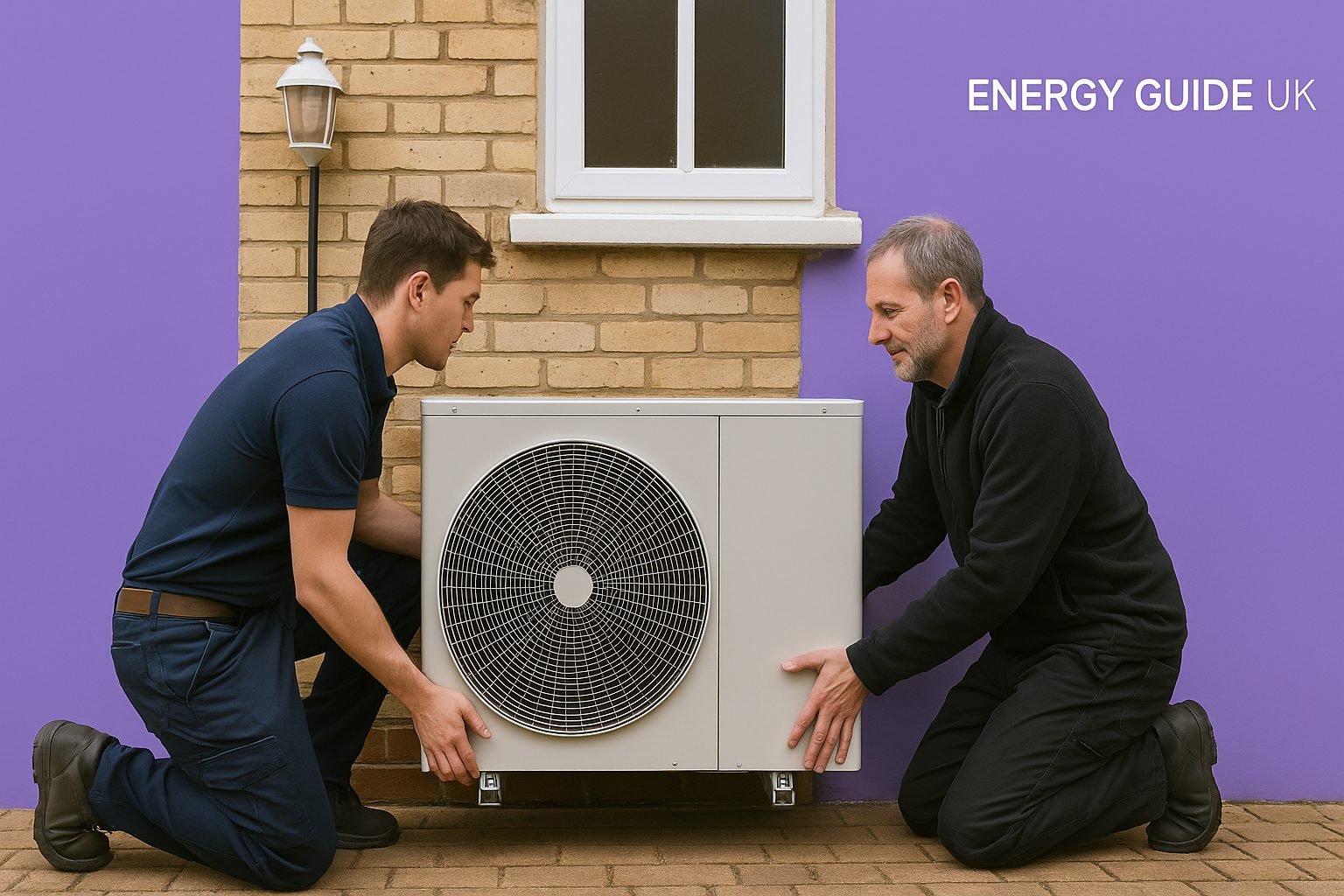
Key Takeaways on Air-Source Heat Pump Cost & Size Calculator UK:
- Air source heat pumps offer lower emissions, stable heating, and predictable long-term running costs for many UK homes.
- The typical cost of an air source heat pump is around £11,000, with the Boiler Upgrade Scheme reducing this by £7,500 for eligible households.
- Correct sizing is essential. A heat pump matched to the home’s heat demand delivers better comfort and efficiency.
- Running costs often fall between £900 and £1,600 per year, depending on property size and insulation quality.
- Annual servicing is usually £120 to £200, with low routine maintenance needs throughout the year.
- Heat pumps suit a wide range of UK homes, especially those with reasonable insulation and space for an outdoor unit.
- Use the air source heat pump cost and size calculator below to get an estimate of size, price, and carbon savings before asking for quotes from installers.
What Is An Air Source Heat Pump?
An air source heat pump is a low-carbon heating system that moves heat from the air outside into your home. The outdoor unit draws in air, extracts usable warmth, and transfers that energy indoors through radiators, underfloor heating, or a hot water cylinder. The system continues to work during the winter because it can capture heat from cold air far below typical UK temperatures.
Heat pumps run on electricity, but they generate more heat energy than they consume. This is possible through a refrigerant circuit that absorbs heat at one point and releases it at another. A well-set-up system usually delivers between two and four units of heat for every unit of electricity used. This is why running costs can be lower than those of an older gas, oil, or direct-electric system.
Most UK homes can support an air source heat pump as long as insulation is reasonable and the system is matched correctly to the property. When installed well, heat pumps reduce emissions, provide stable heating, and offer predictable running costs that are easier to manage over time.
Calculate the Cost and Size of Your Air-Source Heat Pump
Use the calculator below to see the size and cost that usually suit a home like yours.
Heat Pump Cost and Size Calculator
The Energy Saving Trust reports that a typical air source heat pump costs about £11,000. The calculator uses this as a starting point, adjusting the figure for property size and system type so the results feel realistic for most UK homes. These numbers are only estimates, but they offer a helpful guide before requesting quotes.
How to Use the Heat Pump Cost and Size Calculator
A Quick Way to Estimate Your Costs
Planning a heat pump installation begins with understanding what the system might cost for your home. Most homeowners want a ballpark figure before they speak to installers, and this calculator provides that early estimate. The layout is simple, and the questions focus only on the details that influence cost and system size the most.
What the Calculator Asks
You can choose the type of heat pump, select the number of bedrooms in your home, and confirm whether the Boiler Upgrade Scheme will apply. These inputs allow the tool to produce a practical estimate that reflects typical installation prices and the level of support available to you. The process takes only a few seconds, and the results update instantly.
What the Results Show
Once your inputs are confirmed, the calculator presents three key figures. The first is the recommended system size for a property of your type. The second is an estimated installation cost that reflects typical prices for UK homes. The third is the projected lifetime CO₂ reduction that comes from switching to a low-carbon system.
These numbers help you understand the scale of the investment and the impact on your carbon footprint.
What Factors Influence Air Source Heat Pump Cost and Size?
Property Size and Type
The size and layout of your home shape the amount of heat it needs. A small flat loses far less heat than a large detached house, so the heat pump capacity varies accordingly. Homes with open-plan layouts often require a slightly stronger output to maintain an even temperature across larger spaces.
Houses with several floors may also require additional consideration during planning to ensure heat is distributed evenly throughout the property.
Insulation and Heat Emitters
Every home loses heat at a different rate, and insulation levels have a significant influence on that rate. Well-insulated homes often require smaller heat pump systems because they retain warmth more effectively. Older homes with poorer insulation tend to need higher output units to maintain comfortable temperatures.
Heating emitters also play a part. Radiator size, pipework condition, and the presence of underfloor heating change how efficiently heat can move through the home. Larger radiators or underfloor systems can support lower flow temperatures, which improves performance and may reduce the overall size you need.
Existing Heating System and Fuel Type
Homes currently running on direct electric, LPG, or oil often see the largest financial benefit from switching to a heat pump. These systems usually have higher running costs, so the potential savings are greater.
The switch from gas boilers still offers carbon reductions and efficiency improvements, although the running cost difference varies depending on local tariffs. Your existing heating setup also affects installation complexity. Some homes need a new hot water cylinder or upgraded radiators, which can influence the overall cost.
Regional and Environmental Factors
Homes in colder regions tend to require slightly larger systems, as heat demand is higher during winter. Local weather patterns and the position of the outdoor unit affect performance and may shape the recommended output.
Regional energy prices also play a meaningful role in running cost estimates. Electricity prices vary between nations, which means lifetime costs and savings differ for homeowners in England, Scotland, Wales, and Northern Ireland.
Installer Choice and Overall Quality
Installation quality has a significant influence on how well a heat pump performs. A low upfront price can sometimes lead to reduced system efficiency if the design work and commissioning are not carried out to a high standard.
Correct sizing, proper pipework preparation, accurate flow temperature settings, and careful placement of the outdoor unit all contribute to long-term performance. A well-installed system keeps running costs predictable and ensures the heat pump reaches its expected lifespan.
Choosing a reputable installer often provides better value than taking the lowest quote available.
How Does the Type of Air Source Heat Pump Affect Cost?
There are various types of air source heat pumps, and the one you choose can impact the overall cost.
Air-to-Water Heat Pumps
Air-to-water systems are the most common type used in UK homes. They extract heat from the outdoor air and transfer it into a water-based heating system inside the house. This water then circulates through radiators, underfloor heating, or a hot water cylinder.
Their ability to handle both space heating and hot water makes them the standard choice for whole-home upgrades. These systems usually fall in the mid-to-upper range of heat pump prices. They require a compatible hot water cylinder and, in some homes, larger radiators or minor pipework upgrades. This additional work is often reflected in the installation cost.
Air-to-Air Heat Pumps
Air-to-air systems use the heat captured from outdoors to warm the indoor air directly rather than heating water. They function similarly to air conditioning in reverse, supplying warm air through wall-mounted units or ducts. They don’t provide hot water, and are better suited to smaller homes or properties that already use electric showers or other water-heating methods.
Air-to-air heat pumps are cheaper to install than air-to-water systems because they do not need a cylinder or radiator adjustments. They offer faster installation and lower upfront costs, although the lack of hot water capability means some homes may need a separate water-heating solution.
Monobloc Heat Pumps
A monobloc system contains all major components in a single outdoor unit. Water travels from the outdoor unit directly into the home’s heating system. This design reduces installation complexity because fewer refrigerant connections are needed indoors.
Monobloc systems are often more affordable to install because the simpler design reduces labour time and specialist work. They’re a strong choice for straightforward retrofit projects or homes with limited indoor technical space.
Split-System Heat Pumps
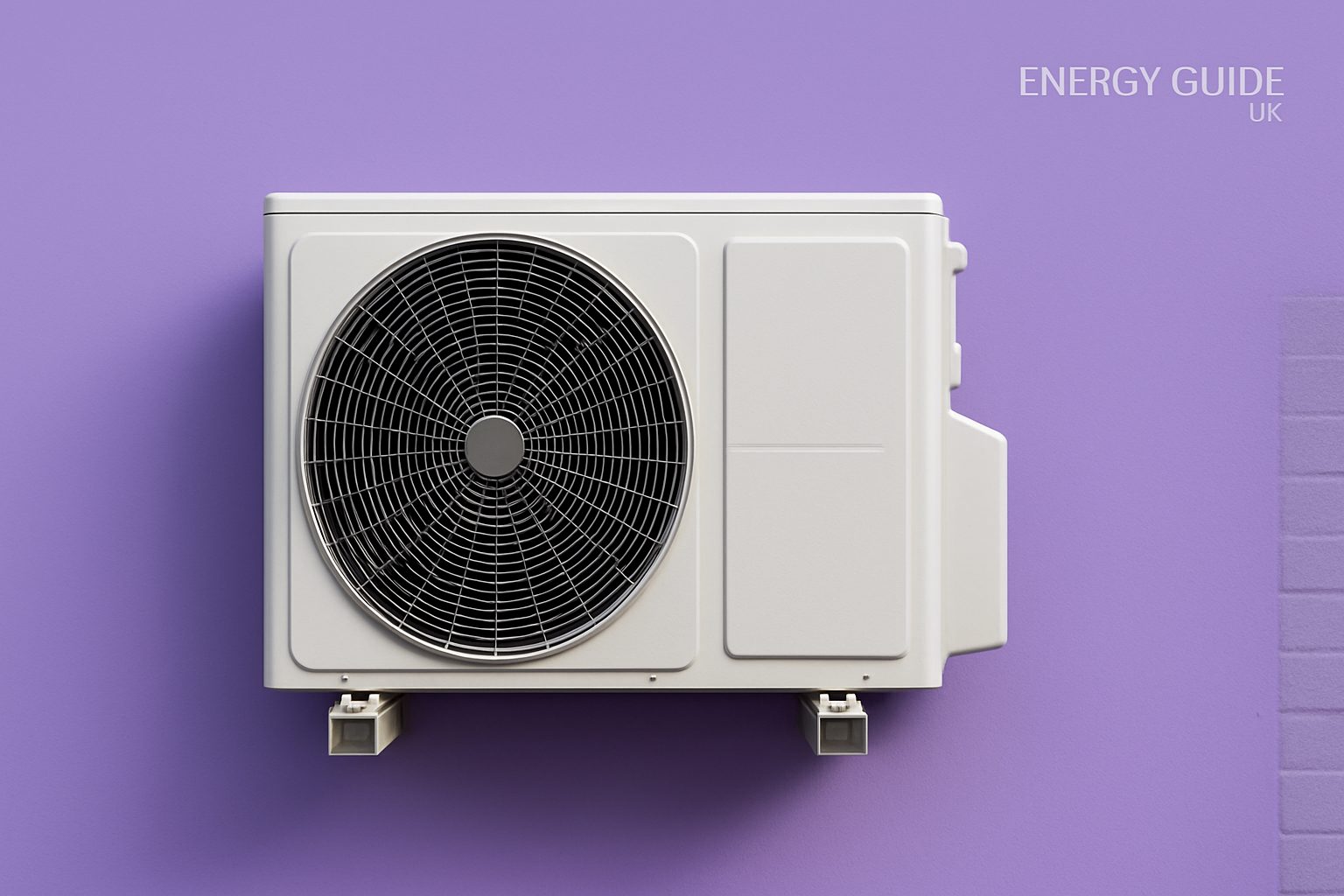
Split systems divide the components between an outdoor unit and an indoor unit. Refrigerant lines link the two units, allowing more flexibility in positioning the indoor components and offering efficient heat transfer in many setups.
Split systems tend to cost more than monobloc units due to the additional installation steps and specialist refrigerant work. The higher cost is often justified by improved efficiency, quieter operation indoors, and greater flexibility for homes with unusual layouts.
Hybrid Heat Pump Systems
Hybrid systems pair a heat pump with an existing boiler. The heat pump supplies most of the heating during normal conditions, while the boiler covers hot water or peak load periods when needed.
Initial installation costs can be lower than a complete heat pump replacement because part of the existing system remains in place. However, ongoing running costs may be slightly higher than a full heat pump installation, as the boiler still operates during peak demand. Hybrids are useful for homes where a full switch is not immediately practical.
What Are the Running Costs of Air Source Heat Pumps?
Running costs depend on how much heat your home needs and how efficiently the heat pump converts electricity into usable heat. This efficiency is measured through the coefficient of performance (COP). A system with a COP of 3 provides three units of heat for every unit of electricity used. Homes with good insulation and well-sized emitters often achieve higher performance, which lowers annual electricity use and reduces heating bills.
Typical Annual Costs for UK Homes
Most homes see annual running costs that fall between £900 and £1,600 for space heating and hot water when using an air source heat pump. Smaller, well-insulated homes sit near the lower end of the range, while larger detached properties and homes with modest insulation fall toward the higher end.
These figures use typical UK electricity prices and average winter conditions, so your actual cost may differ slightly based on regional tariffs and local temperatures.
How Running Costs Compare With Other Heating Systems
Running costs can be lower than traditional heating in many situations. Direct-electric homes usually see the most significant savings because heat pumps use electricity far more efficiently.
Homes with oil or LPG boilers often notice a meaningful reduction in yearly bills as well. Homes switching from gas may see a smaller financial difference, although the carbon reduction is significant.
Long-term savings often improve further when paired with smart controls or low-temperature emitters that help the system run more efficiently.
Factors That Influence Daily and Seasonal Costs
A heat pump performs best when it runs steadily. Short bursts of high heat are less efficient, so homes that maintain a stable indoor temperature often spend less on electricity. Local weather patterns also influence cost.
Colder regions see longer heating seasons, which increases demand and affects the annual bill. The temperature setting for hot water plays a part too. Lower settings reduce electricity use while still meeting daily household needs.
How to Keep Running Costs Low
Several steps help improve efficiency and keep bills steady. Simple actions such as avoiding very high thermostat settings, using a consistent heating schedule, and checking that radiators or underfloor circuits are properly balanced make a noticeable difference.
Regular servicing keeps the system performing at its best, and good insulation reduces heat loss throughout the home. Homes with solar panels may also see additional savings, as some of the heat pump’s electricity can be supplied at a lower cost.
Air Source Heat Pump Running Costs at a Glance
| Home Type | Typical Annual Running Cost | Notes |
|---|---|---|
| 1–2 bedroom flat or small house | £900 – £1,100 | Lower heat demand and shorter heating season. |
| 4-bedroom detached | £1,100 – £1,300 | Average UK home with moderate insulation. |
| Oil or LPG-heated homes (for comparison) | £1,300 – £1,500 | Higher heat demand, especially in cooler regions. |
| 5+ bedroom large property | £1,400 – £1,600+ | Larger spaces and older insulation increase usage. |
| Direct-electric homes (for comparison) | £1,800 – £2,500+ with existing system | Switching to a heat pump usually produces the biggest savings. |
| The running cost difference varies by insulation and tariff. | £1,500 – £2,000 with existing system | Heat pumps often reduce annual bills. |
| The running cost difference varies by insulation and tariff. | £900 – £1,200 with existing boiler | Running cost difference varies by insulation and tariff. |
Are There Grants to Help with Air Source Heat Pump Costs?
Yes. You can access government grants in England, Scotland, and Wales to help with the upfront air source heat pump costs.
The Boiler Upgrade Scheme (England & Wales)
The central grant most homeowners will encounter is the Boiler Upgrade Scheme (BUS) in England and Wales. The scheme will run until 31 December 2027 and provides upfront capital grants of up to £7,500 off the cost of installing an air-source heat pump in eligible homes.
You must own the property you’re applying for, whether it’s a business, a second home, or a property you rent out to tenants. You must also be replacing a fossil fuel heating system, such as oil, gas, electric, or LPG (liquefied petroleum gas). You’re still eligible if you’ve already had funding to make your property more energy efficient, for example, by insulating it.
The installer applies for the voucher on your behalf, and the grant is deducted from your quote rather than claimed by you independently. Your installer must commission and install the heat pump within 120 days of applying for the grant, or it will not be eligible.
Grants and Loans in Scotland
If your home is in Scotland, separate support is available. The Home Energy Scotland Grant and Loan Scheme provides homeowners in Scotland with a grant, an interest-free loan, or a combination of both to install clean heating systems like heat pumps.
The scheme offers a grant of up to £7,500 for heat pumps. An additional £7,500 of funding is also available as an optional interest-free loan, meaning some households may access as much as £15,000 of financing for a heat pump installation.
In rural or remote locations, this may be higher, allowing eligible households to claim up to £18,000 in grant funding. To qualify, you must be the homeowner of the property, meaning you own the home you live in and it’s your only or primary private residence.
Energy Company Obligation (ECO4)
The ECO4 scheme is designed to help low-income households improve their energy efficiency. While primarily aimed at insulation measures, some households may be eligible for funding to install renewable heating systems like heat pumps. This scheme is particularly beneficial for those on qualifying benefits or living in fuel poverty.
The latest ECO4 Delivery Guidance notes that an air source heat pump can be installed as a First Time Central Heating (FTCH) measure alongside a wet central heating system in eligible premises. It also states that hydronic heat pumps are the primary heating measure to be considered for off-gas homes.
Hydronic heat pumps can be air-source or ground-source and refer to any heat pump that delivers heat in the form of fluid in a wet central heating system.
Why Grants Make a Big Difference
A grant of £7,500 can reduce the upfront cost of a typical air-source heat pump significantly. That makes a real difference when comparing quotations from installers and helps bring running cost savings into clearer view.
For example, if a typical installation might cost around £11,000, the grant can cut the net cost to around £3,500 before any additional work. This increased affordability helps more homeowners seriously consider the switch.
What are the Benefits of Installing an Air Source Heat Pump?
Lower Running Costs for Many Homes
An air source heat pump uses electricity far more efficiently than traditional heating systems. Homes that currently rely on oil, LPG, or direct-electric heating often see a noticeable drop in annual bills after switching.
Even homes coming from gas may find that steady, low-temperature heating creates a more predictable energy pattern that avoids sudden spikes in usage. According to the Energy Saving Trust, the potential annual savings of installing an air source heat pump in a 3-bedroom home can reach up to £1,200.
Reduced Carbon Emissions
Heat pumps produce much lower carbon emissions because they move heat from the environment rather than burn fossil fuels. This makes them one of the most effective ways for households to reduce their environmental impact. The cleaner electricity mix in the UK continues to improve each year, which means heat pumps become even greener as the grid decarbonises.
Consistent, Comfortable Heating
Many households report that indoor temperatures feel more stable after installing a heat pump. The system works continuously at a gentle level rather than firing on and off like a boiler. This creates an even warmth throughout the home, which is particularly noticeable in well-insulated rooms and spaces that used to feel chilly between boiler cycles.
Cleaner Indoor Environment
Heat pumps do not produce combustion gases inside the home, so there is no need for flues, ventilation adjustments, or carbon monoxide monitoring. This reduces indoor air pollutants and removes the risk associated with gas appliances. It also simplifies servicing because fewer components can fail or degrade.
Long System Lifespan
A well-installed heat pump has a long service life, often between 15 and 20 years. Steady operation places less stress on components than the repeated on/off cycles of a traditional boiler. Regular maintenance keeps the system performing predictably, which helps maintain both comfort and efficiency over time.
Future-Ready Heating
Heat pumps are central to the UK’s long-term heating strategy. They align with incoming efficiency standards, government grants, and the broader shift toward low-carbon energy. Installing one now helps prepare your home for future policy changes and may increase appeal for buyers who want low running costs and modern heating technology.
Check out our guide on the disadvantages of air source heat pumps and the video below for more pros and cons.
Air Source Heat Pump Maintenance and Servicing Costs
Typical Annual Servicing Costs
You should ensure air source heat pump servicing at least once each year. The average cost for this visit sits between £120 and £200, depending on the installer and your region. The service includes checks on refrigerant levels, electrical connections, filters, valves, and overall system performance. Regular servicing helps maintain efficiency and protects the lifespan of the unit.
What Homeowners Usually Pay Over a Year
In addition to the annual service, there may be small maintenance tasks throughout the year. These are usually low-cost jobs, such as clearing leaves from around the outdoor unit or checking that airflow is not blocked. Many homeowners handle these tasks themselves at no cost. Any minor replacement parts, such as filters, typically fall within the £20 to £50 range.
Long-Term Maintenance Considerations
Air source heat pumps have fewer moving parts than traditional boilers. This reduces the likelihood of major breakdowns, though occasional component replacements can occur over a long lifespan. A fan motor or sensor replacement may cost between £150 and £300, while more significant repairs, such as replacing a compressor, are rare and considerably more expensive. Most systems run reliably with only minor interventions if installed correctly.
Benefits of Regular Servicing
Annual servicing keeps performance stable and ensures the system operates at its intended efficiency level. This helps manage running costs and prevents minor issues from turning into costly repairs. A well-maintained system also delivers more consistent heating, especially during colder months when demand is highest.
Servicing Plans and Extended Warranties
Some installers offer servicing plans that spread the cost into monthly payments, often between £10 and £20 per month. These plans may include priority callouts or discounted repair rates. Extended warranties can also be valuable, offering cover for parts and labour for up to seven years. They add a layer of protection and help homeowners budget for long-term care.
Maintenance costs for air source heat pumps are generally predictable and lower than the servicing required for oil or LPG boilers. With one annual visit and occasional minor parts, most households spend modestly on upkeep. This steady, low-intervention pattern is one of the reasons many homeowners find heat pumps cost-effective over their whole lifespan.
Is An Air Source Heat Pump Right for You?
Heat pumps can be installed in a wide range of properties, but there are a few things you must consider before deciding whether an air source heat pump is right for you.
Your Home’s Insulation Levels
A heat pump performs best in a home that holds heat well. Good loft insulation, cavity wall insulation, and draught control help the system reach a comfortable temperature without working harder than necessary. Homes with poor insulation can still use a heat pump, but they may need a larger unit or upgrades to windows and radiators to improve efficiency.
Space for the Outdoor Unit
Every air source heat pump needs a suitable place for the outdoor unit. A clear area with good airflow is ideal, usually at ground level or on an external wall. The unit is about the size of a compact washing machine, and it needs space around it to work effectively. As long as there is room outside and a suitable route for pipework, most properties can accommodate one.
Your Existing Heating System
If your home currently uses oil, LPG, or direct-electric heating, a heat pump can offer immediate benefits in running costs and carbon reduction. Homes on gas may see a minor difference in bills, but the environmental gain is still significant. In all cases, the existing system influences how much work is needed during installation, including whether radiators or the hot water cylinder require adjustment.
Household Heating Preferences
Heat pumps work steadily throughout the day, keeping rooms at a consistent temperature. This is different from the sharper bursts of heat produced by a gas boiler. If you prefer slow, even warmth and fewer temperature swings, a heat pump can deliver a very comfortable indoor environment. Smart controls can fine-tune this further and help tailor the heating schedule to your routine.
Budget and Long-Term Planning
The initial installation cost is higher than that of a traditional boiler, but the Boiler Upgrade Scheme and other regional grants can reduce the upfront cost by a significant amount. Over time, predictable running costs, low maintenance needs, and extended system lifespan make a heat pump a substantial long-term investment. If you are planning to stay in your home for several years, these long-term savings become more valuable.
Real World Example on Air-Source Heat Pump Costs and Installation
Various case studies show the actual costs you can expect for an air source heat pump, as well as the installation process and benefits.
One homeowner in Edinburgh installed an air source heat pump in a flat with an old electric storage heating system. She had to choose between upgrading the storage heaters or installing an air source heat pump. She went with the air source heat pump because it offered cheaper running costs than a storage heating system, and it allowed her to remove heaters from the walls to free up wall space.
The homeowner spoke with several installers and received a range of quotes between £7,000 and £19,000. Booking installers to quote took a few weeks. She also applied for the Home Energy Scotland Loan and received a loan offer after two months.
The homeowner notes that the air source heat pump system is cheaper to run and it gives her between 3-4 times the heat as her electricity input, even through cold, snowy spells.
Final Thoughts on Air Source Heat Pump Costs in the UK
Air source heat pumps have become one of the most practical ways for UK households to lower emissions and create a more efficient heating system. They offer steady, comfortable warmth, predictable running costs, and a long service life. The typical cost of an air source heat pump is around £11,000. Grants and interest-free loans can help reduce the upfront cost.
A successful installation starts with understanding the size your home needs, the costs involved, and any upgrades needed to support efficient performance. Once these foundations are in place, a heat pump can deliver reliable heating that fits easily into everyday life. For homeowners planning long-term improvements, it represents a future-ready choice that supports both comfort and sustainability.
If you are considering a switch, gathering a few quotes and comparing the recommendations is a helpful next step. Each property is unique, and professional guidance will give you a clear, tailored view of what to expect. With the right approach, a heat pump can become a strong long-term investment that supports lower bills, lower emissions, and a more comfortable home.
FAQs on Air Source Heat Pump Costs
How Much Does It Cost to Install an Air Source Heat Pump in the UK?
Most installations fall between £8,000 and £16,000 before grants. The Boiler Upgrade Scheme can reduce this by £7,500, bringing many installations to £3,500–£8,500, depending on home size and any radiator or cylinder upgrades needed.
What Are the Disadvantages of an Air Source Heat Pump?
The main drawbacks include a higher upfront cost than a boiler and the need for reasonable insulation to achieve good efficiency. Some homes may require radiator upgrades or a new hot water cylinder, which adds to the installation work. The system also heats steadily rather than delivering very high-temperature bursts, which can feel different from a gas boiler.
Is It Worth Installing a Heat Pump in the UK?
Yes, for many households it is. Heat pumps reduce carbon emissions and can lower running costs, particularly for homes using oil, LPG, or direct-electric heating. With grants available and electricity becoming cleaner each year, they are increasingly attractive as a long-term heating solution.
Do Air Source Heat Pumps Use a Lot of Electricity?
They use more electricity than a boiler, but convert that electricity into heat very efficiently. A typical system provides two to four units of heat for every unit of electricity used. Running costs depend on insulation, heating schedules, and local electricity tariffs, but steady, low-temperature operation keeps usage predictable.
How Long to Install an Air Source Heat Pump in the UK?
Most installations take two to five days. The exact timeline depends on whether new radiators are needed, whether a hot water cylinder is being installed, and how straightforward the pipe routes are inside the home.
What Is the Lifespan of an Air Source Heat Pump?
A well-installed system usually lasts 15 to 20 years. Regular servicing helps maintain efficiency and keeps components in good condition. Many systems reach the upper end of this range when the heating system is balanced, and insulation levels are good.
Sources and References
- Department for Energy Security and Net Zero – Heat pump investment roadmap: Leading the way to net zero
- Energy Saving Trust – Heat pumps: how they work, costs and savings
- GOV.UK – Boiler Upgrade Scheme
- Home Energy Scotland – Home Energy ScotlandGrant and Loan
- Ofgem – ECO4 Guidance: Delivery
- Energy Saving Trust – Joanna O’Loan: upgrading storage heaters with an air source heat pump